Quick Summary
Here’s what nobody tells you about rainy day toddler activities: the meltdown isn’t really about the weather. It’s about a brain that’s wired to move, explore, and figure things out — and suddenly has nowhere to go.
Most parents think rainy day toddler activities need to be elaborate Pinterest projects or screen time. They don’t. What actually works is something simple that gives your toddler’s brain a job to do — whether that’s pouring water, squishing kinetic sand, or building with blocks.
This guide gives you 15 easy, low-prep indoor play ideas that prevent the 10am meltdown, support real developmental skills, and don’t require fancy supplies. Let’s get started.
Why Rainy Day Toddler Activities Matter (More Than You Think)
A rainy day with a toddler can feel like a countdown to chaos. You know it’s coming — the whining, the “I’m bored” energy, the pulling everything off shelves just to feel something.
Here’s what I know: that behavior isn’t your toddler being difficult. It’s their brain screaming for input.
Toddlers are wired to move, explore, and figure things out. When outdoor play disappears and nothing fills that gap, the meltdown isn’t a tantrum — it’s a sensory and cognitive need that isn’t getting met.
That’s where intentional rainy day toddler activities come in. Not elaborate crafts. Not Pinterest-perfect setups. Just something that gives their brain a job to do.
Structured play — even loosely structured — supports problem-solving, language development, and focus. These are real skills being built in real time, whether you’re stacking cups or sorting laundry together.
And the research backs up what most of us already feel in our gut. The toddler years are a critical window for cognitive growth. What they do with their hands and eyes and imagination right now genuinely matters. If you want to see what’s actually developing during this stage, the breakdown of 2 year old milestones puts it in plain terms.
This isn’t about being a perfect activity mom. It’s about having a few ideas ready so you’re not both losing your minds by 10am.
The good news? You don’t need much. If you’re looking for a starting point, toddler activities at home covers low-effort ideas that actually hold their attention — no prep, no supplies you don’t already have.
Rainy days are hard. But they don’t have to derail everything.
Sensory Play Ideas for Rainy Day Toddler Activities
Here’s the thing about sensory play — it sounds fancy, but it’s really just giving your toddler something interesting to touch, squish, pour, or explore. That’s it.
The sink is honestly one of the best rainy day toddler activities you already own. Fill it with a few inches of warm water, hand over some cups and spoons, and step back. Most toddlers will stand there for 20 to 30 minutes just pouring water back and forth.
Yes, the floor gets wet. Throw down a towel. Worth it.
Texture bins are another easy one. Grab a storage container and fill it with dried pasta, rice, or oats. Add a scoop, a small cup, maybe a toy or two buried inside. The digging and discovering keeps them locked in — and it genuinely supports the hand-eye coordination they’re building right now.
If you want to go a little further, kinetic sand is a solid investment. It’s satisfying for them to squish and shape, and unlike regular sand it doesn’t go everywhere. A small tray on the floor and they’re set.
For toddlers who are especially tactile or seem to seek out different textures constantly, it helps to mix it up. Smooth, rough, squishy, grainy — variety is what keeps them engaged longer. Our guide to sensory bins for 1 year olds has more ideas if you want to build this out a bit.
None of this requires a craft store run or a Pinterest board. It requires a bin and whatever’s already in your pantry.
Start simple. See what they gravitate toward. Then you’ll know what to reach for next time the rain rolls in.
Creative & Messy Play: Painting, Playdough & More
Here’s the truth nobody tells you: toddlers don’t need art supplies. They need permission to make a mess.
That’s it. That’s the whole secret.
Finger painting with yogurt on a baking sheet. Smooshing together flour, salt, and water into a rough playdough. Stamping with the cut end of a celery stalk dipped in watered-down food coloring. These are legitimate rainy day toddler activities that cost almost nothing and keep little hands genuinely busy.
The mess is the point. When your toddler squeezes paint through their fingers or pounds playdough flat with their fist, they’re not just playing — they’re building fine motor skills activities baby and toddler experts consistently flag as important for development.
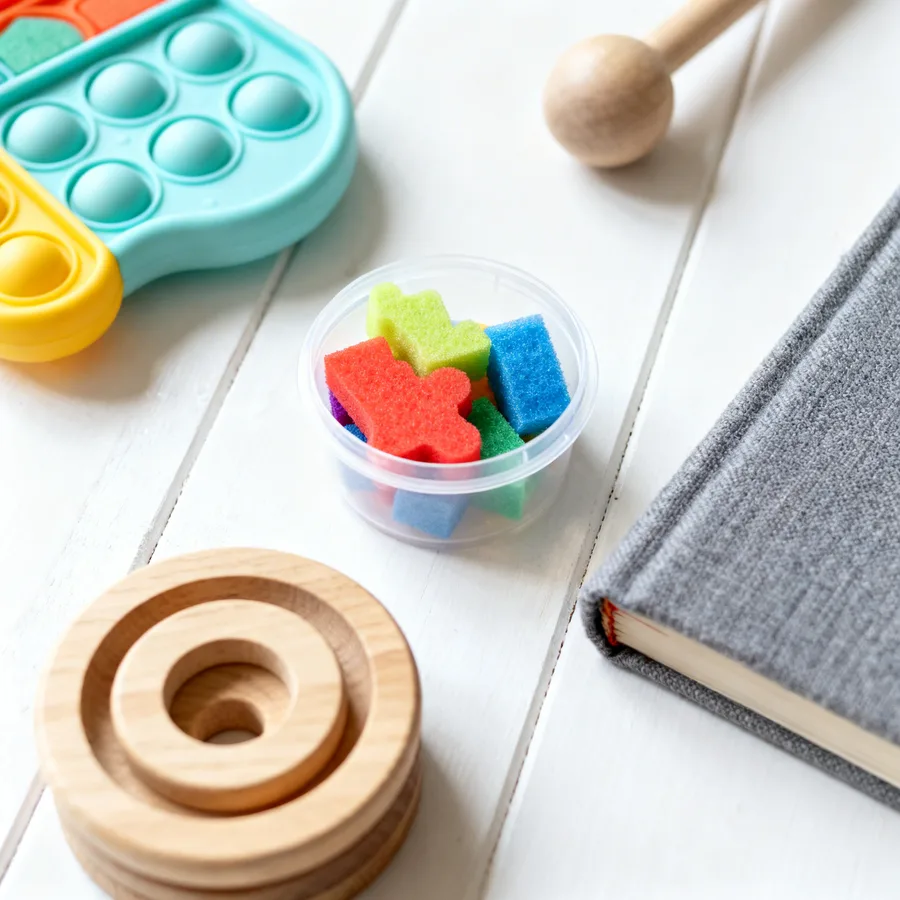
You don’t need a dedicated craft table. Tape a piece of paper to a baking tray. Strip them down to a diaper. Put a towel under the high chair. Done.
A few low-prep ideas worth keeping in your back pocket:
Cornstarch + water — mix it thick and watch their face when it goes solid in their hands but liquid when they let go. Pure magic to a two-year-old.
Dot painting — dip a cotton ball or the eraser end of a pencil in paint. Let them go to town on cardboard from the recycling bin.
Cloud dough — eight parts flour, one part baby oil. Holds its shape but crumbles apart. Toddlers are obsessed with it.
Set it up. Step back. Let them lead.
You’ll probably find they spend more time on one material than you expected — and almost no time on the one you thought would be the hit. That’s fine. Follow them.


Movement & Dance Activities for Rainy Days
Here’s the honest truth about rainy day toddler activities: the movement ones are the ones that actually save you.
A toddler with trapped energy is a toddler on the edge. You know the look. The climbing-the-couch, shrieking-for-no-reason look.
So before anything else — move first. Everything else goes smoother after.
Dance parties are the easiest thing you’re not doing enough of. Put on something with a real beat. Not the soft kids’ playlist — something that actually makes you want to move. Your toddler doesn’t care what the song is. They care that you’re dancing with them.
Take turns being the DJ. Take turns copying each other’s moves. Freeze when the music stops. They will lose their minds over freeze dancing. Every time.
Obstacle courses cost nothing. Couch cushions on the floor to jump between. A throw pillow to crawl over. A piece of tape on the floor to balance along. A tunnel made from dining chairs with a blanket thrown over them.
Set it up. Time them running through it. Watch them want to do it twelve more times.
Toddler yoga is more accessible than it sounds. They don’t need to hold poses. They need animal names and sound effects. Downward dog is “puppy pose.” Cobra is “snake pose” with a hiss. Tree pose lasts about four seconds and that’s completely fine.
If your little one is at the age where they’re just finding their physical confidence — if you’re noticing big leaps in what their body can do — it’s worth reading up on 18 month old milestones so you know what’s typical and what to watch for.
The goal here isn’t a structured workout. It’s burning the energy that would otherwise come out sideways. Move together. Make it loud. Make it silly.
Quiet Time Rainy Day Toddler Activities for Afternoon Slumps
Here’s the thing nobody tells you about toddlers: too much stimulation makes everything worse. The meltdowns, the clinginess, the inability to settle — sometimes what they need isn’t more to do. It’s less.
The afternoon slump is real. You feel it. They feel it. And on a rainy day when you’ve already done the dancing and the jumping, this is the moment to slow everything down.
Pull out the blocks. Not for a project, not for a lesson. Just set them on the floor and sit nearby. Something about stacking and knocking down is almost meditative for toddlers — it gives their hands something to do while their nervous system catches its breath.
Puzzles work the same way. Even ones they’ve done a hundred times. Familiarity is actually the point right now. They know what’s coming, and that feels safe.
Picture books are underrated rainy day toddler activities for this time of day. You don’t have to perform them. You can read quietly, let them turn the pages, let them tell you what they see. It’s connection without demand.
Pretend play — a small kitchen, a few stuffed animals, a “doctor’s kit” made from random household items — is genuinely restorative for overstimulated kids. They’re in control of the story. That matters more than you’d think.
Keep the space simple. One basket of things, not the whole toy room. Fewer choices, less chaos in their little brains.
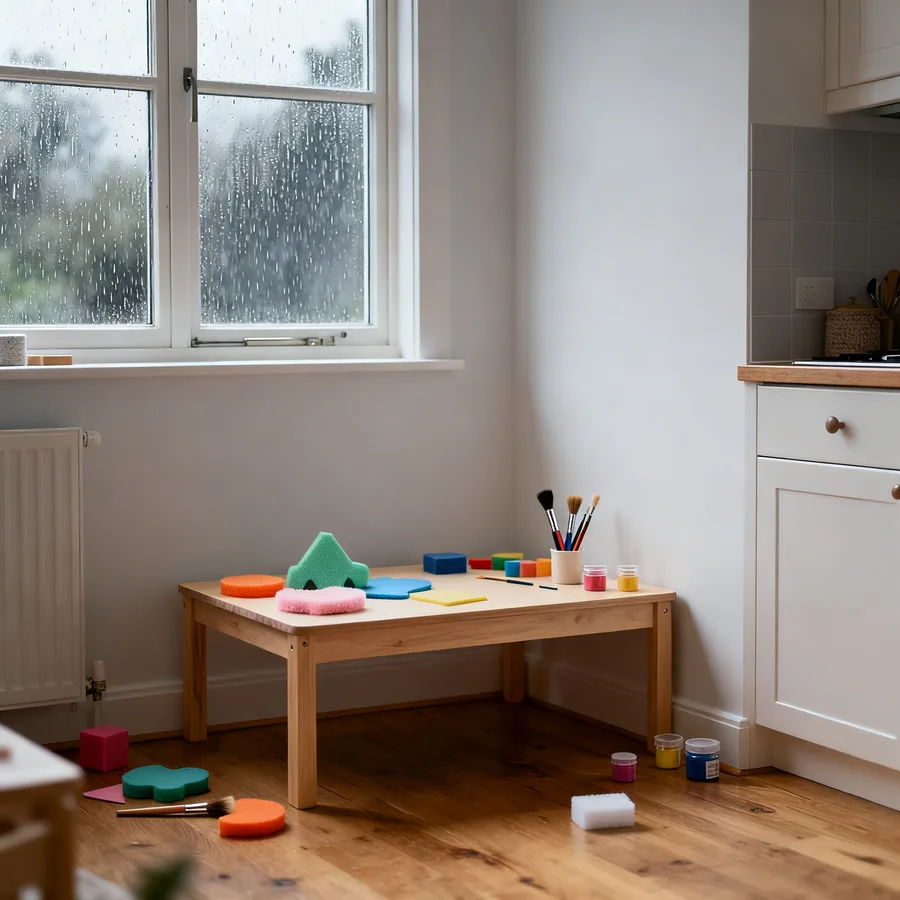
Lower the lights if you can. Soft voices. If you’re sitting with them, resist the urge to direct. Just be close. That’s often the whole thing — they don’t need entertainment. They need you regulated so they can regulate too.
This stretch of the day is hard. But it can also be the quietest, sweetest part if you let it be slow.
Cooking & Baking: Toddler-Friendly Kitchen Projects
Here’s the honest part first: cooking with a toddler takes three times as long and makes twice the mess. You already know that. And some days, that’s exactly why it’s perfect.
When it’s a rainy day and the walls are closing in, the kitchen becomes the most interesting room in the house. There’s pouring. Mixing. Things that change color. Smells. Sounds. It hits every sense at once — and that’s genuinely regulating for a toddler brain that’s been cooped up.
Start small. Banana muffins. Scrambled eggs. No-bake energy balls rolled in oats and honey. These aren’t just easy — they’re actually toddler-friendly in structure. Mashing, stirring, scooping, rolling. These are the motions their hands want to do anyway.
Give them a real job. Not a fake one. Pour the oats in. Stir this. Press the dough into the pan. They know the difference between being included and being humored. Inclusion is what builds the confidence.
Keep expectations loose. The muffins might be lumpy. The eggs might be a little overdone. That’s the whole point — they made it, so they’ll eat it. Toddlers are notoriously suspicious of new foods, but something they helped create? Suddenly very acceptable.
If you’re working on introducing more variety in what they eat and drink, it’s worth reading up on when to introduce water to infants — because hydration habits start earlier than most people realize, and the kitchen is a good place to build them.
Let them taste as you go. Let them lick the spoon. Let it be a little chaotic. The cleanup is real, but so is the look on their face when they sit down to eat something they made with their own hands.
That look is worth every dish.
No-Stress Tips for Managing Rainy Day Toddler Activities
Here’s the thing nobody warns you about: it’s not the rain that’s exhausting. It’s the relentlessness of it. The “what do we do now” on a loop, all day long.
So first — give yourself permission to not have a plan. One activity that lasts twenty minutes is a win. You don’t owe anyone a Pinterest afternoon.
Rotation is your best friend. You don’t need more stuff. You need to put half their toys away and bring them back out like they’re new. Toddlers lose interest in what they can always see.
Set the expectation before you start, not after. “We’re going to do this, and then we’ll clean up and pick something else.” That little heads-up prevents about half the meltdowns. Not all of them. Half.
For cleanup — make it part of the activity. Put on a cleanup song. Give them a job. Even a two-year-old can throw foam pieces into a bin if you make it feel important.
Break the day into chunks instead of trying to fill all of it. One messy activity. One quiet activity. Lunch. One more thing. That structure gives you a finish line to walk toward.
And build in movement somewhere. If they’ve been sitting, they need to run. Even laps around the living room counts. If your toddler is getting closer to that walking-into-running stage, reading about when do babies start walking can help you understand what their body actually needs right now — and why they can’t just sit still.
The goal for a rainy day toddler activities situation isn’t perfection. It’s getting to bedtime without anyone crying too hard — including you. Lower the bar. Survive it together. That’s the whole job.
Frequently Asked Questions
What are the best rainy day toddler activities for 1-2 year olds?
At this age, stick with sensory play — water at the sink, texture bins with rice or pasta, kinetic sand, and simple movement like dancing or walking through an indoor obstacle course. Toddlers this young learn through touch and exploration, so activities that let them squish, pour, and move are your best bet.
How do I keep my toddler entertained indoors without screen time?
Rotate between sensory play (water, sand, textures), creative mess-making (painting, playdough), movement (dance parties, climbing), quiet activities (puzzles, blocks, books), and kitchen projects (stirring, mixing, snacking). Switching between high-energy and calm activities keeps engagement high and prevents overstimulation.
What’s the easiest rainy day activity setup that won’t destroy my house?
Water play at the sink with a towel on the floor is your lowest-stress option — it’s contained, requires zero prep, and holds attention for 20-30 minutes. For messier activities, set up on a kitchen tile floor or in a large plastic tray that catches spills.
How long should rainy day toddler activities last to prevent overstimulation?
Most toddlers can focus on one activity for 15-20 minutes before needing a switch. Plan to rotate every 15-30 minutes, alternating between high-energy activities (dancing, sensory play) and calmer ones (puzzles, blocks, books). Watch for fussiness as your cue to change gears.
Can I do sensory play indoors without making a huge mess?
Yes — use kinetic sand instead of regular sand, contain activity in a plastic tray, and stick with water play at the sink. For texture bins, use a storage container with a lid so you can save the contents and reuse them. A towel on the floor catches most spills and saves your sanity.


Keep Reading

Best Baby Swings and Bouncers 2026: Expert Reviews & Buying Guide

Best Infant Car Seat 2026: Top Safety Picks for Newborns & New Parents

Why is My Baby’s Skin So Sensitive? : Understanding the Probiotic Shower

K-Baby Is Having a Moment — Here's What's Real and What's Just Marketing

First Trimester Survival Guide: What Nobody Actually Tells You