Quick Summary
Here’s what nobody tells you about toddler weight: a single number on the scale means almost nothing. Growth slows dramatically after the first year, and most toddlers who look lean are simply tracking their own normal curve — not struggling.
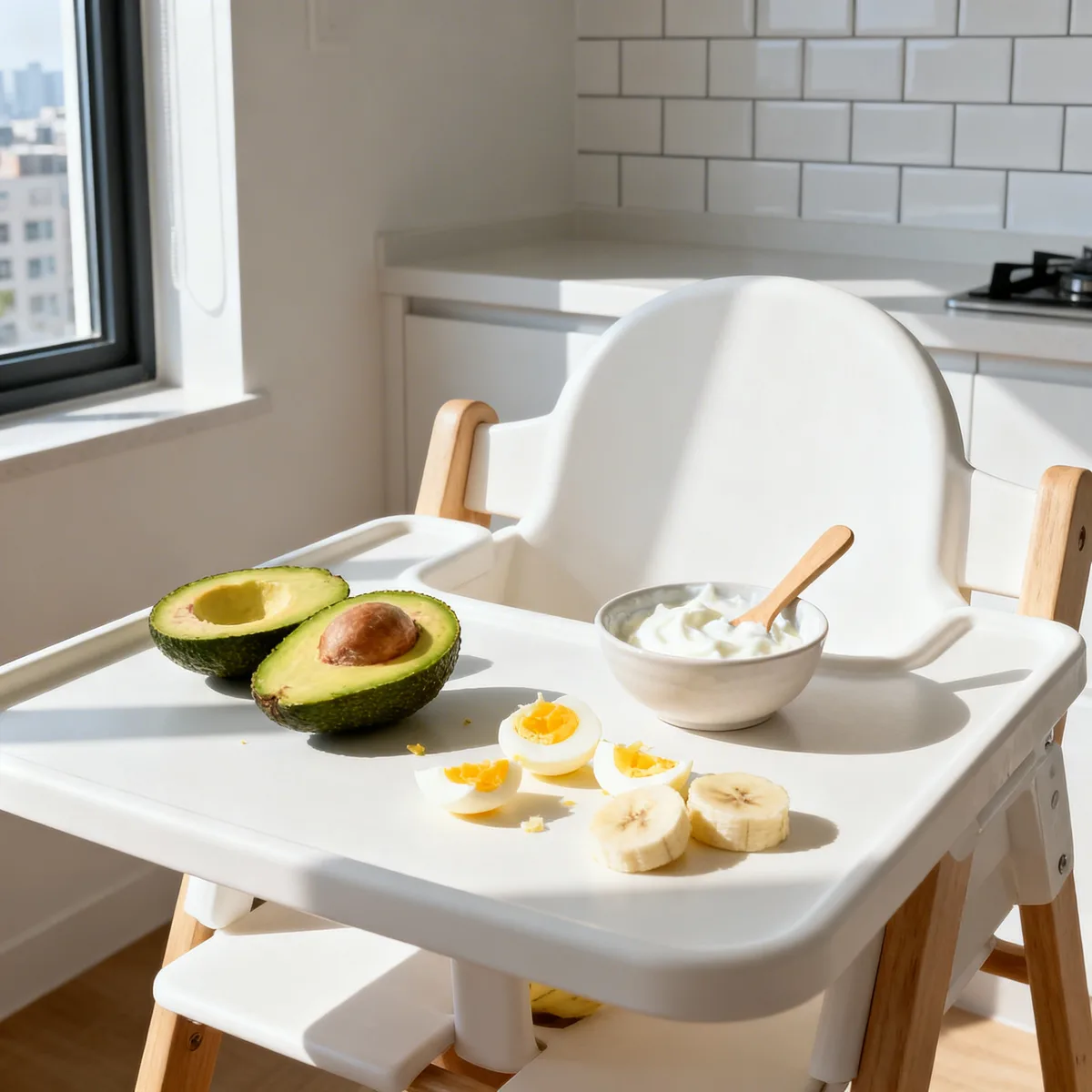
The best foods to increase toddler weight aren’t exotic or complicated. They’re nutrient-dense whole foods you probably already have in your kitchen: avocados, nut butters, full-fat dairy, eggs, and legumes that slip easily into meals your toddler will actually eat.
This guide walks you through how to distinguish real concern from normal variation, which foods actually support weight gain, practical strategies for picky eaters, and when a conversation with your pediatrician matters — so you can move from worry into a clear plan.
Understanding Toddler Weight and When to Be Concerned
First — take a breath. The fact that you’re paying this close attention already tells me you’re doing your job as a parent.
Here’s the thing about toddler weight: it is genuinely all over the place, and that’s mostly normal. Growth slows down significantly after the first year. A toddler who was a chunky baby can suddenly look lean and lanky by 18 months, and that shift can feel alarming even when it isn’t.
What actually matters is the pattern, not a single number on a scale. The CDC recommends using growth charts to track a child’s individual curve over time — the goal is consistent progression along their own percentile, not hitting a specific number.
A toddler sitting at the 15th percentile who is energetic, meeting milestones, and eating reasonably well is not an underweight toddler. A toddler who drops two or more percentile lines over several months — that’s worth a conversation with your pediatrician.
Other signs worth flagging: persistent fatigue, loss of interest in food across multiple weeks, or noticeable loss of muscle tone. One bad eating week after an illness? That’s just toddler life.
Context matters too. Developmental leaps, teething, a new sibling, starting daycare — all of these can temporarily tank appetite. If your toddler is moving, curious, and sleeping (mostly — we know how that goes, especially if you’re navigating a toddler night terrors phase), their body is probably doing exactly what it needs to do.
If your pediatrician does confirm your toddler needs more caloric support, that’s when looking at the best foods increase toddler weight becomes a practical, useful conversation — not a panic, just a plan.
Best Foods to Increase Toddler Weight: The Calorie-Dense Staples
Here’s the good news: the foods that help toddlers gain weight are also just… really good food. Nothing exotic. Nothing complicated. Mostly things you probably already have in your kitchen.
Avocado is the one I always recommend first. Half an avocado mashed into scrambled eggs or spread on soft toast gives you healthy fat and calories without a fight. Most toddlers actually like the texture.
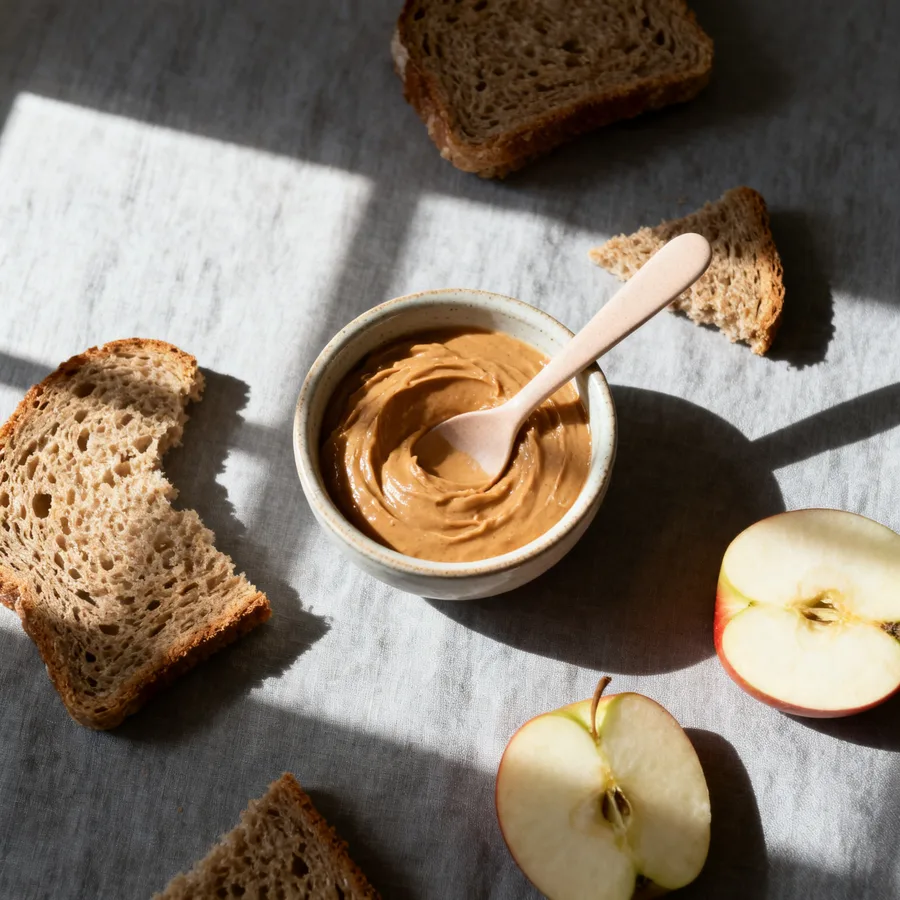
Nut butters — almond, peanut, sunflower if there are allergies — are dense and easy to add anywhere. A thin smear on banana slices, stirred into oatmeal, or mixed into a smoothie. You don’t need much for it to count.
Full-fat dairy is your friend right now. Full-fat yogurt with fruit, whole milk in a cup, cheese cubed up as a snack. This is not the time to reach for the low-fat version — your toddler needs that fat for brain development and energy.
Eggs are one of the most complete foods you can offer. Scrambled soft, made into a little omelet, mixed into fried rice — they’re versatile and toddlers usually accept them even on picky days.
Legumes like lentils and chickpeas are quietly powerful. Blend lentils into pasta sauce. Offer soft chickpeas as finger food. They add protein and calories without looking like anything your toddler would refuse on principle.
And then there are the easy fat boosters: a drizzle of olive oil over vegetables, a pat of butter on soft-cooked grains, a spoonful of coconut cream in a smoothie. These small additions add up across the day without requiring your toddler to eat more volume — which, if you have a diaper size guide by weight kind of kid who’s tracking small, is often the whole challenge.
How Much Should Your Toddler Eat to Gain Weight Safely
Here’s the part nobody tells you: toddlers have tiny stomachs. Pushing more food onto the plate rarely works — and it can backfire by making mealtimes a battleground.
What actually helps is frequency over volume. Most toddlers do better with three small meals and two to three snacks spread through the day, rather than three bigger meals they can’t finish.
The CDC recommends that toddlers aged 1 to 3 need roughly 1,000 to 1,400 calories per day depending on their size and activity level — but it’s the quality and consistency of those calories that moves the needle, not one enormous dinner.
Think of it like this: a quarter cup of full-fat yogurt, a small handful of cheese cubes, half an avocado across the day — that’s real caloric progress without any pressure.
Portion-wise, a rough guide is one tablespoon of each food per year of age. A two-year-old needs about two tablespoons of protein, two of grains, two of vegetables. Small. Genuinely small.
Knowing that takes the pressure off you to pile the plate. The best foods to increase toddler weight are the calorie-dense ones served in these small, frequent portions — not the ones served in overwhelming amounts.
One more thing: keep meals low-pressure. Toddlers eat more when they feel calm. A toddler bedtime routine matters here too — overtired toddlers eat less, consistently.
Trust the rhythm. Small, frequent, calorie-dense. That’s the whole strategy.
Easy Ways to Sneak Extra Calories Into Meals Your Toddler Will Actually Eat
Here’s the thing nobody tells you: you don’t need new foods. You just need to make the foods they already love work harder.
Butter everything. Seriously. A small pat of butter on warm vegetables, pasta, toast — it adds calories without changing the taste enough for a picky toddler to notice.
Stir full-fat Greek yogurt into mashed potatoes or puréed fruit pouches. It blends in completely and bumps up both fat and protein in one move.
Nut butter is one of the best foods to increase toddler weight when you’re working with limited meal acceptance. Spread it thin on banana slices, mix it into oatmeal, or swirl it into a smoothie.
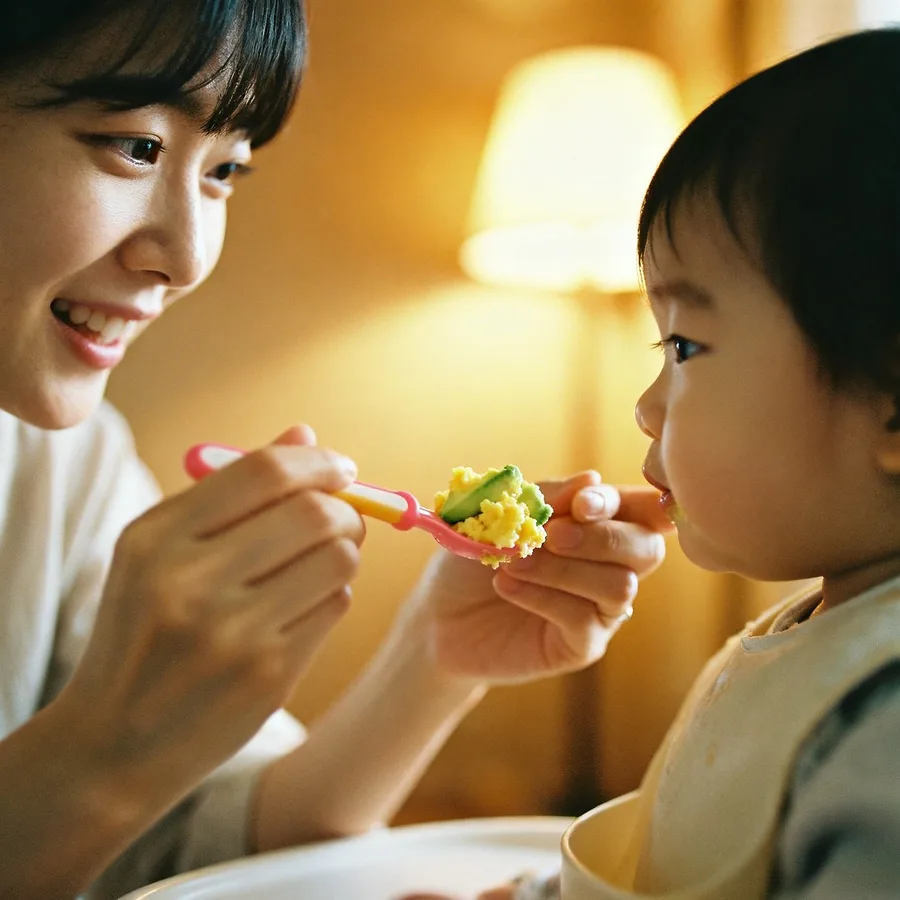
Avocado mashed into almost anything — eggs, pasta, toast — adds healthy fats without a strong flavor fight. Most toddlers don’t even clock it.
Add a splash of whole milk or coconut cream to soups, sauces, and scrambled eggs. It takes two seconds and they will never know.
Grated cheese goes on everything. Pasta, scrambled eggs, soft vegetables, even warm beans. It melts in, adds calories, and most toddlers genuinely love it.
One thing worth knowing: if your toddler is more distracted at mealtimes lately, screen time for toddlers can actually affect how present they are at the table — worth a read if you’re noticing a pattern.
The goal isn’t a perfect meal. It’s just calories in a form they’ll actually eat. Small additions, repeated consistently — that’s what moves the needle over time.


Foods to Prioritize vs. Avoid When Supporting Healthy Weight Gain
Here’s the honest truth: not all calories are the same. And when you’re trying to help your toddler grow, the type of food matters just as much as the amount.
The best foods to increase toddler weight are ones that pack real nutrition alongside the calories — think healthy fats, protein, and slow-burning carbohydrates. Avocado, whole milk yogurt, nut butters, eggs, soft cheese, oily fish, and legumes are all doing heavy lifting in a small serving.
Full-fat dairy is especially worth leaning into. The CDC recommends whole milk for toddlers between ages 1 and 2 specifically because the fat content supports healthy brain development during this critical window.
Starchy vegetables like sweet potato and butternut squash are also genuinely great — naturally sweet, easy to mash, and full of vitamins your toddler actually needs.
Now, the other side. Ultra-processed snacks — crackers, puffed corn snacks, flavored rice cakes — can feel like a win because your toddler loves them. But they’re mostly air and refined starch. They fill little bellies without feeding them.
Fruit pouches are similar. They feel healthy, but they’re often low in fat and protein, and the sugars digest fast. A whole banana with a smear of almond butter is going to do a lot more for your toddler than a squeezable pouch.
Juice is worth mentioning too. It adds sugar without substance and can actually crowd out the higher-quality foods you’re trying to get in.
The goal isn’t to be rigid about it. It’s just to know which foods are earning their place at the table — and to reach for those first. The treats aren’t the enemy. They just can’t be the foundation.
When to See a Pediatrician and What to Discuss
Here’s the thing nobody tells you: your gut matters. If something feels off — if your toddler seems tired all the time, is losing weight, or has fallen off their growth curve — that’s worth a call to your pediatrician. Don’t wait for the next scheduled visit.
The red flags to watch for include consistent weight loss over several weeks, visible muscle wasting, extreme food refusal paired with low energy, or a child who’s dropped significantly in percentile rank across two or more checkups.
Pediatricians track growth using weight-for-age, height-for-age, and weight-for-height charts. The CDC recommends using the CDC growth charts for children aged 2 and older to assess healthy development patterns over time. It’s not one number — it’s the trend.
Before your appointment, write things down. Seriously. Memory goes sideways when you’re sitting in that office. Bring a rough food diary — even two or three days of notes on what your toddler actually ate versus what you offered.
Ask your pediatrician specifically about calorie density, not just food variety. That’s where the conversation about the best foods to increase toddler weight becomes most useful — your doctor can help you figure out whether the issue is appetite, absorption, or something else entirely.
Come with questions ready. Ask about referrals to a pediatric dietitian if you feel like you need more than a 15-minute visit can give you. Ask whether a feeding specialist makes sense. You’re allowed to ask for more support.
Your pediatrician is your partner in this — not someone to impress. You don’t need to have it figured out before you walk in. That’s literally what they’re there for.
Sample Meal Plans for Underweight Toddlers
Meal planning for a picky, underweight toddler is one of the more exhausting puzzles in parenting. You’re trying to add calories without turning every meal into a battle.
Here’s the thing — you don’t need exotic foods or complicated recipes. You need calorie-dense ingredients tucked into things your toddler already likes.
Sample Day 1
Breakfast: Scrambled eggs cooked in butter, with a small handful of shredded cheese melted in. Half a banana on the side.
Morning snack: Full-fat Greek yogurt with a drizzle of honey (for toddlers over 12 months) or mashed avocado on a soft cracker.
Lunch: Whole milk quesadilla with black beans and cheese. Small cup of whole milk.
Afternoon snack: Nut butter (if no allergy) spread thick on banana slices or toast.
Dinner: Ground beef or chicken mixed into pasta with olive oil and parmesan. Soft-cooked sweet potato wedges on the side.
Sample Day 2
Breakfast: Oatmeal made with whole milk instead of water, stirred with peanut butter and a mashed ripe banana.
Morning snack: Cubed full-fat cheese and soft fruit.
Lunch: Lentil soup or puréed veggie soup with a swirl of cream and a soft roll with butter.
Afternoon snack: Smoothie made with whole milk, banana, and avocado — this is one of the best foods to increase toddler weight because it packs a lot of calories into something drinkable.
Dinner: Salmon flaked into rice with butter, plus soft-cooked broccoli with a little olive oil drizzled over it.
The pattern here is simple: fat at every meal, protein where you can, and familiar textures your toddler will actually accept. Small wins, stacked up daily, add up.
Sources
- American Academy of Pediatrics — guidance on nutrient-dense feeding and age-appropriate nutrition for growing toddlers.
- CDC — recommendations on infant and toddler nutrition and growth tracking.
Frequently Asked Questions
What are the most calorie-dense foods I can give my toddler to help them gain weight?
Avocado, nut butters, full-fat dairy (yogurt, cheese, whole milk), eggs, and legumes like lentils and chickpeas are your foundation. These foods deliver healthy fats and protein in small portions, so they’re calorie-dense without requiring large servings that overwhelm picky eaters.
How many calories does my underweight toddler need per day to gain weight safely?
Calorie needs vary by age, activity level, and baseline weight. A 2-year-old typically needs 1,000–1,400 calories daily; a 3-year-old needs 1,200–1,600. If your pediatrician confirms weight concerns, ask for specific guidance tailored to your child — they may recommend adding 100–200 extra calories per day through nutrient-dense snacks and meals.
What if my toddler refuses to eat the high-calorie foods recommended for weight gain?
Don’t force it. Instead, try blending or hiding: mix nut butter into smoothies, mash avocado into scrambled eggs, stir legumes into pasta sauce. Offer the food alongside familiar favorites without pressure, and keep portions small so the meal doesn’t feel overwhelming.
Is my toddler’s low weight a medical problem, or is this normal for their age and genetics?
Most toddler weight variation is completely normal — growth slows after the first year, and some children naturally track lower percentiles. What matters is the pattern: consistent progression along your child’s own growth curve is healthy. A drop of two or more percentile lines over months, or signs like persistent fatigue or loss of interest in food, warrant a pediatrician visit.
What underlying conditions might cause a toddler to be underweight, and when should I see a doctor?
Conditions like malabsorption disorders, food allergies, or chronic infections can impact weight gain. See your pediatrician if your toddler shows a sudden drop in growth percentiles, persistent loss of appetite, delayed development, digestive issues, or unexplained fatigue — they’ll run growth metrics and investigate as needed.
Part of our guide: Why Your Toddler Suddenly Won’t Drink Milk
Keep Reading

What Makes PPSU Different From the Plastic Cups You Grew Up With

Teething + Feeding: What to Give Your Baby When Chewing Hurts

What "I Don't Like It" Actually Means at Snack Time: A Toddler-to-Parent Translation Guide

How to Choose the Right Feeding Seat for Easier Bottle Time

BPA-Free Isn't Enough: What "BPA-Free" Labels Don't Tell You