

Toddler: 1–3 Years
18 Month Old Milestones: What Your Toddler Should Be Doing (And When to Check In)
Soyeon Park·14 min read

What 2 year old milestones actually look like: walking, talking, motor skills, and when to call your pediatrician. Plus the full range of normal.
Here’s what nobody tells you about 2 year old milestones: there’s no single finish line. While the AAP and CDC publish checklists of what “most” kids should be doing by age 2, the reality is messier — and that’s completely normal.
Your toddler might be running circles around the couch but barely stringing two words together. Or they could be narrating everything they see while still figuring out how to climb stairs. The wide range of normal at this age trips up a lot of parents because we’re taught to expect developmental milestones to arrive in lockstep.
Here’s what actually matters: general forward motion. New skills showing up. Curiosity intact. This guide breaks down what to realistically expect across physical, language, fine motor, social, and cognitive development — plus the specific red flags worth flagging with your pediatrician.
Two is a lot. Running, climbing, throwing things with surprising accuracy — physically, your toddler is moving fast and they know it.
Most kids at this age can kick a ball, go up and down stairs with some support, and handle a spoon without too much chaos. Fine motor skills are coming online too: turning pages, stacking blocks, scribbling with intent.
Cognitively, things are getting interesting. Your two-year-old is starting to sort shapes and colors, follow two-step instructions, and engage in simple pretend play. They understand far more than they can say.
Speaking of saying — language is one of the most watched 2 year old milestones. The AAP notes that most two-year-olds should be using at least 50 words and starting to combine two words together, like “more juice” or “daddy go.” If that’s not happening yet, it’s worth a conversation with your pediatrician. There’s a full breakdown in our piece on toddler speech delay if you want to go deeper.
On the social-emotional side, this is where it gets messy — in the best and worst ways. Parallel play is normal at two. They’ll play next to other kids, not really with them. Sharing is a concept they understand in theory and reject in practice.
Big feelings, short fuse, zero patience. That’s not a problem. That’s developmentally appropriate.
What you’re looking for isn’t perfection across every category. You’re looking for general forward motion — new skills showing up, curiosity intact, engagement with the world around them.
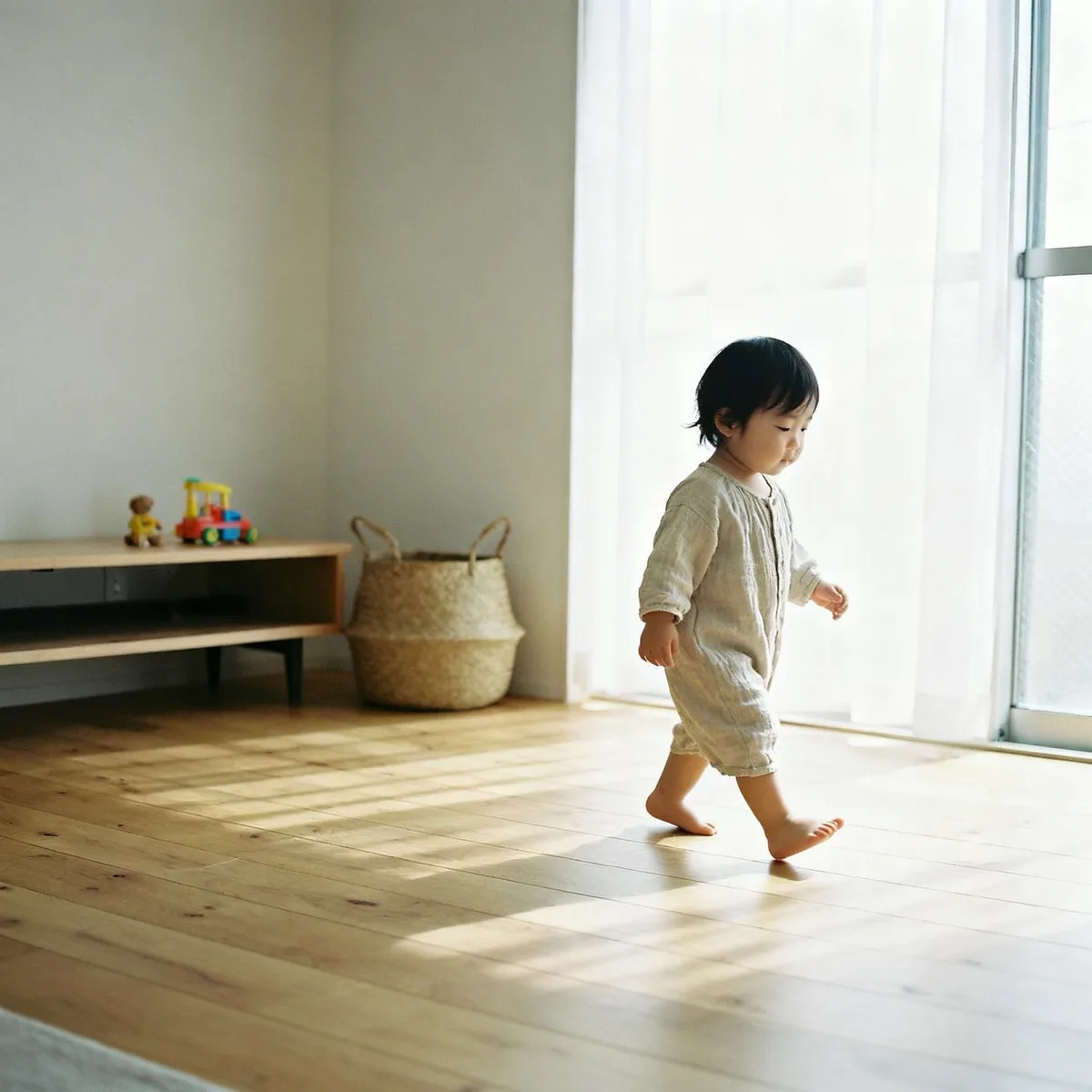
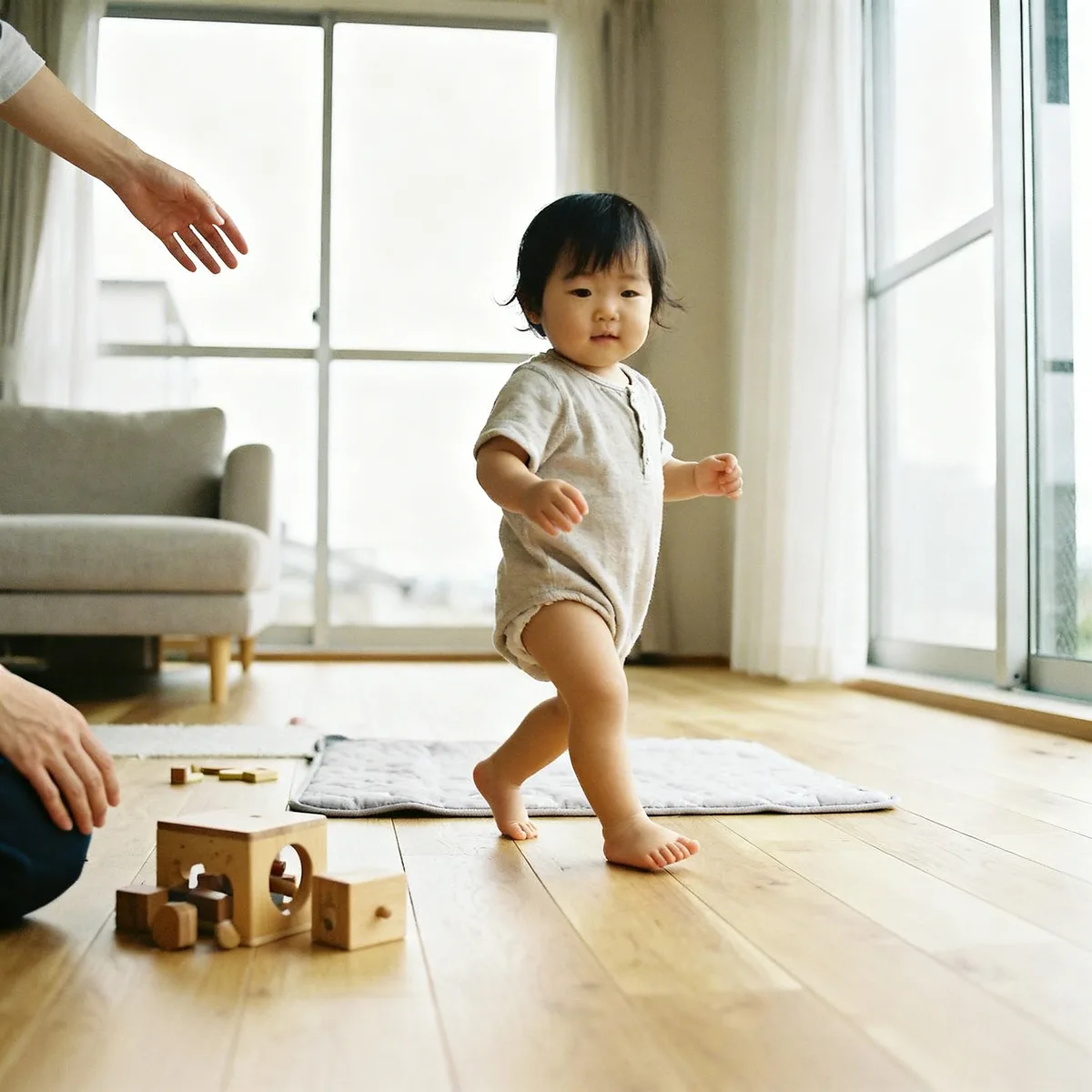
By two, most kids have left the wobbly-penguin walk behind. They’re running — not gracefully, but with genuine speed and intent.
What you’re watching for at this age: a steadier gait, the ability to stop without falling into things, and enough balance to kick a ball without immediately wiping out. Most two-year-olds can also walk up stairs with support and are starting to attempt coming back down.
Climbing is a big one. Furniture, playground equipment, the counter when you turn around for two seconds — all fair game. This isn’t recklessness. It’s your kid figuring out where their body ends and space begins.
The AAP notes that by age 2, most children can run fairly well and begin to jump with both feet — a meaningful shift in coordination that shows the brain and body are syncing up.
Flat feet are common and usually not a concern at this age. So is a slightly wide stance or toes that turn in. Most of these even out naturally by three or four. What’s worth flagging: consistent falling on one side, no running by 24 months, or a noticeable limp.
There’s real range in how 2 year old milestones show up physically. Some kids are climbers who’ve never met a surface they wouldn’t scale. Others are cautious movers who took their time walking and are still calibrating. Both are normal.
If you’re tracking sleep alongside all of this physical output — and you should be, because a tired toddler is a different creature entirely — the 2 year old sleep schedule article breaks down what rest actually looks like at this stage.
Big gross motor leaps need recovery time. Movement and rest aren’t competing priorities. They’re the same system.
Somewhere between 18 and 24 months, most kids hit a language inflection point. Words that were trickling in start flooding.
By age two, many toddlers have around 50 words and are starting to string two together — “more milk,” “daddy go,” “no nap.” Simple combinations, but they’re doing real communicative work.
The AAP recommends that by 24 months, children should be using at least 50 words and combining two words together — and that any child not meeting these markers warrants a speech evaluation, not a wait-and-see approach.
Comprehension runs ahead of output. Your two-year-old likely understands far more than they can say. interactive learning tools
The range of normal here is genuinely wide. Some kids this age are building short sentences. Others are still in single-word mode. Some 2 year old milestones look like a vocabulary list; others look like one very confident word used twelve different ways.

Bilingual kids often split words across two languages — which means their total working vocabulary is larger than it looks in any single language. Worth knowing before you panic at a word count.
What actually matters: are they communicating intent? Are they making eye contact, pointing, responding to their name, showing you things? Language is more than vocabulary. It’s social connection happening through words.
If something feels off — speech that was developing and then stalled, very limited words, no two-word combinations by 24 months — bring it to your pediatrician directly. Early speech therapy works. Waiting rarely does.
Two-year-olds are getting surprisingly precise with their hands. Not perfect — but purposeful.
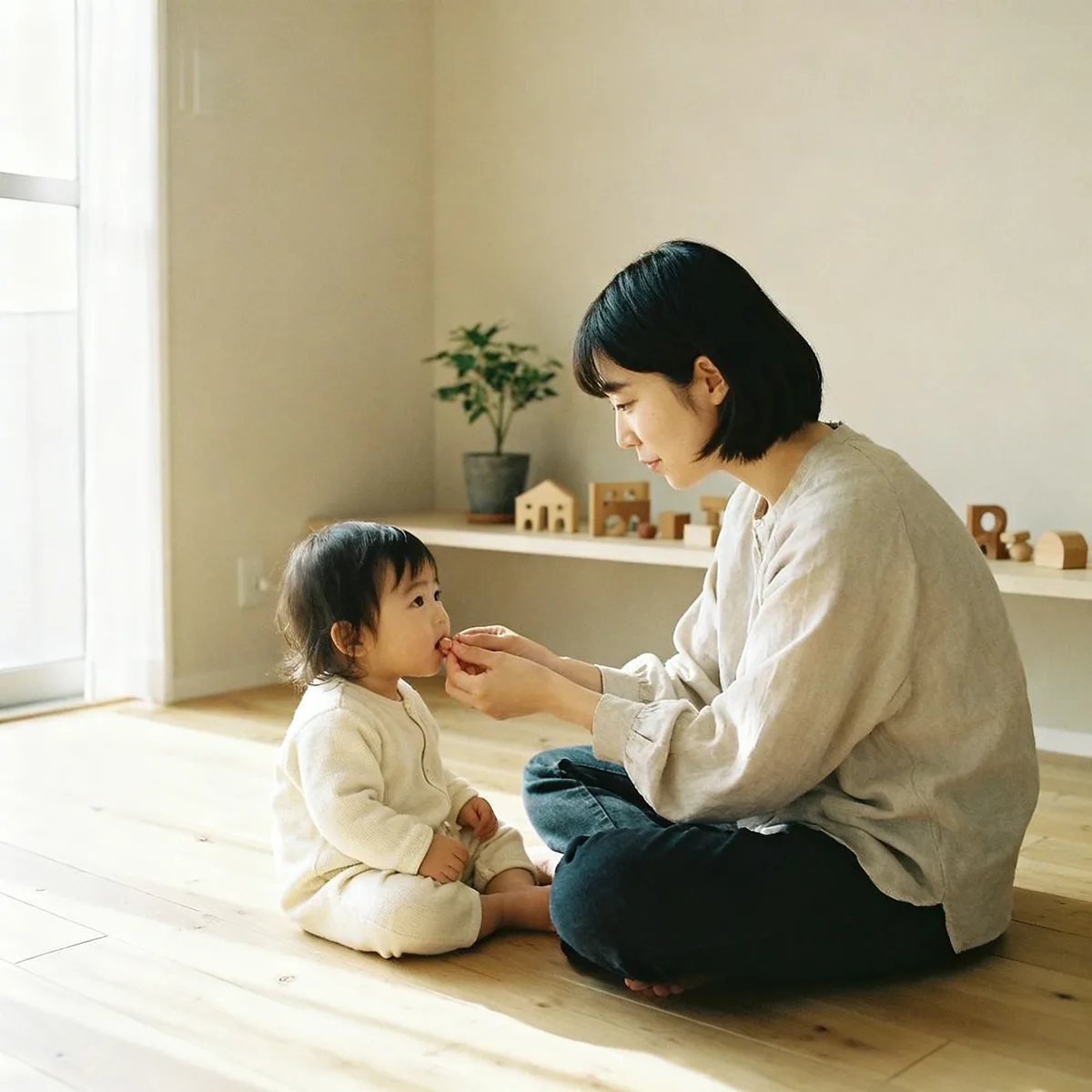
With utensils, expect a lot of scooping, some missing, and a general commitment to doing it themselves. Most kids this age can get a spoon to their mouth with reasonable accuracy. Forks come a little later, and that’s normal.
Scribbling is in full swing. They’re not drawing anything recognizable yet, but they’re making marks with intent — back-and-forth strokes, dots, the occasional dramatic line across the whole page. That’s fine motor development doing exactly what it should.
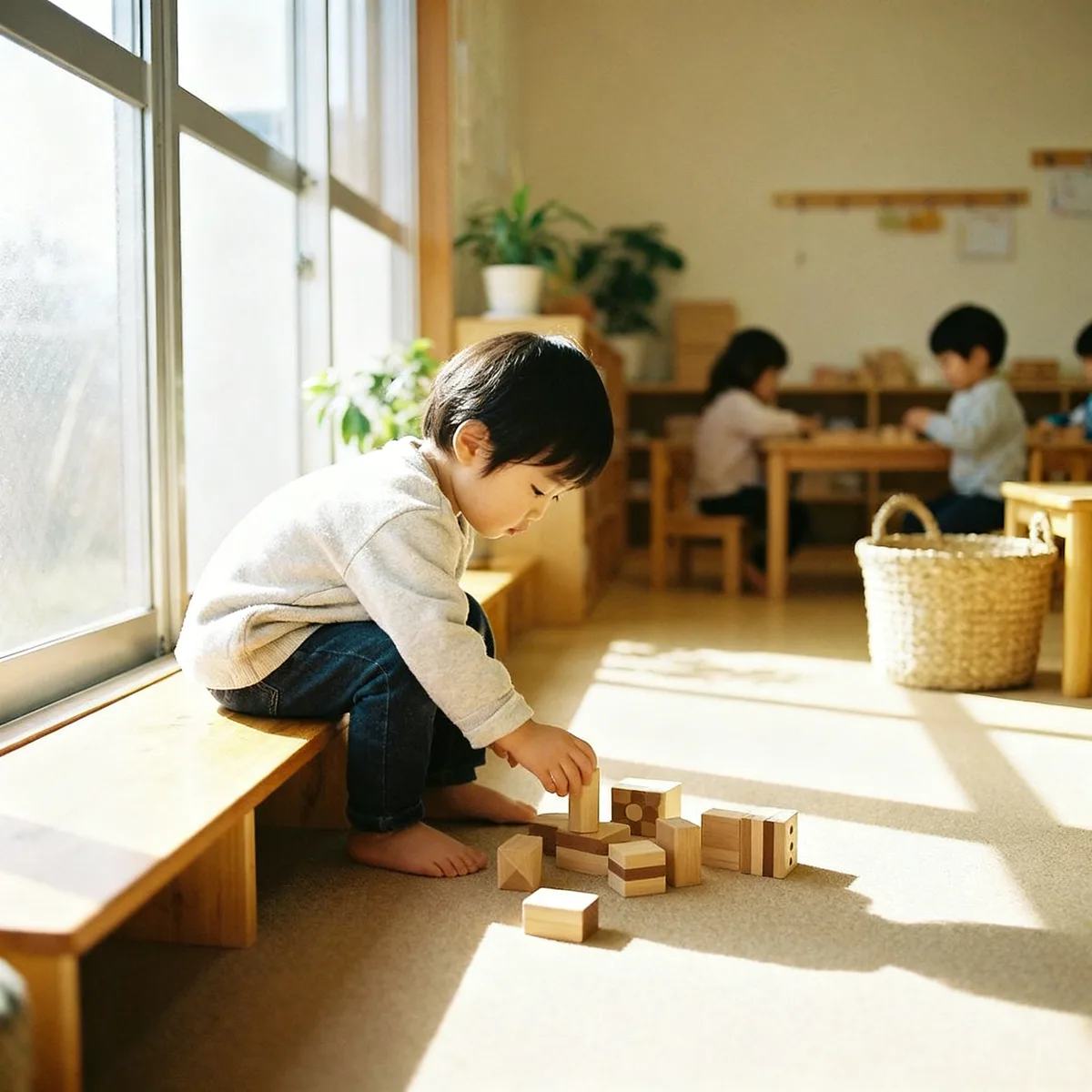
Stacking is another window into hand-eye coordination. By 24 months, most toddlers can stack four to six blocks without the tower immediately collapsing. They’re also getting better at fitting shapes into sorters and turning pages in a board book — one page at a time, with concentration written all over their face.
The AAP notes that by age 2, children should be able to build a tower of at least four blocks — and if stacking, grasping, or page-turning seem significantly delayed, it’s worth raising at your next well-child visit.
Hand dominance is still sorting itself out at this age. Some kids show a clear preference early. Others switch hands freely until closer to age 3 or 4. Neither pattern is a problem.
What you can do: give them opportunities to use their hands. Play dough, simple puzzles, crayons, pouring water between cups. None of it needs to be structured. Toddlers build coordination through play, not drills.
These skills build on each other fast. If you’ve been tracking development since the early months — the way you might have done with 3-4 month milestones — you already know how much changes in a short window. Two is no different.
Two-year-olds are emotional and they know it. What they don’t yet have is the wiring to manage those feelings — which is why a wrong-colored cup can unravel an entire afternoon.
This is developmentally normal. The prefrontal cortex — the part of the brain that regulates emotion — is nowhere near mature. Your job isn’t to stop the meltdowns. It’s to stay calm enough to model what regulation looks like.
Around this age, you’ll also notice your child starting to assert a strong sense of self. “Mine,” “no,” and “I do it” aren’t defiance. They’re identity formation in real time.
Play behavior shifts too. Most 2-year-olds engage in parallel play — playing near other kids rather than with them. True cooperative play usually comes later. Don’t read social isolation into it.
Pretend play picks up fast at this stage. A wooden spoon becomes a phone. A cardboard box becomes a spaceship. This kind of imaginative play is a major cognitive signal — it means your child can hold a mental image separate from what’s in front of them.
Toilet training readiness is one of the more talked-about 2 year old milestones, and the AAP is clear that readiness matters more than age. Signs include staying dry for at least two hours, showing awareness of going, and interest in the process — not just a birthday.
Emotional vocabulary starts small but grows fast with practice. Name what you see: “You’re frustrated.” “That made you sad.” You’re not narrating for the sake of it — you’re handing them language they’ll eventually use to self-regulate.
Independence and emotional volatility aren’t in conflict. They’re the same thing. A child pushing hard for autonomy is also a child who still needs you to hold the edges steady.
Normal variation is real. Two-year-olds develop at their own pace, and a skill that shows up at 18 months in one child might click at 26 months in another.
But some things aren’t just “late blooming.” The AAP recommends that children be screened for developmental delays at their 18-month and 24-month well-child visits — if your child hasn’t had that 2-year checkup yet, prioritize it.
Bring it up with your pediatrician if your child isn’t using at least 50 words, isn’t combining two words together (like “more milk” or “daddy go”), or has lost language they previously had. Regression — not just a plateau — is always worth flagging.
Other signals worth a conversation: no pretend play, difficulty understanding simple instructions, not making eye contact consistently, or seeming uninterested in other children. These don’t automatically mean something is wrong. They mean it’s time to get a clearer picture.

Tracking 2 year old milestones isn’t about scoring your child. It’s about having useful information when you sit down with a professional.
Before the appointment, document what you’re seeing. Keep a simple voice memo or notes app log for a week — what words they’re using, how they respond to their name, whether they point to share interest (not just to ask for things), and how they handle transitions.
Video is underrated here. A 30-second clip of a meltdown, a play interaction, or an attempt at communication tells a pediatrician more than a five-minute verbal description.
You’re not being an anxious parent by raising concerns. You’re doing exactly what a well-child visit is designed for. Early evaluation — even when it turns up nothing — is almost always better than waiting to see if something resolves on its own.
You don’t need a curriculum. You need time, repetition, and a low bar for what counts as “learning.”
Play is the whole job at this age. Stacking blocks, filling and dumping containers, pretending a banana is a phone — all of it is building neural pathways. You’re not wasting time. You’re doing the work.
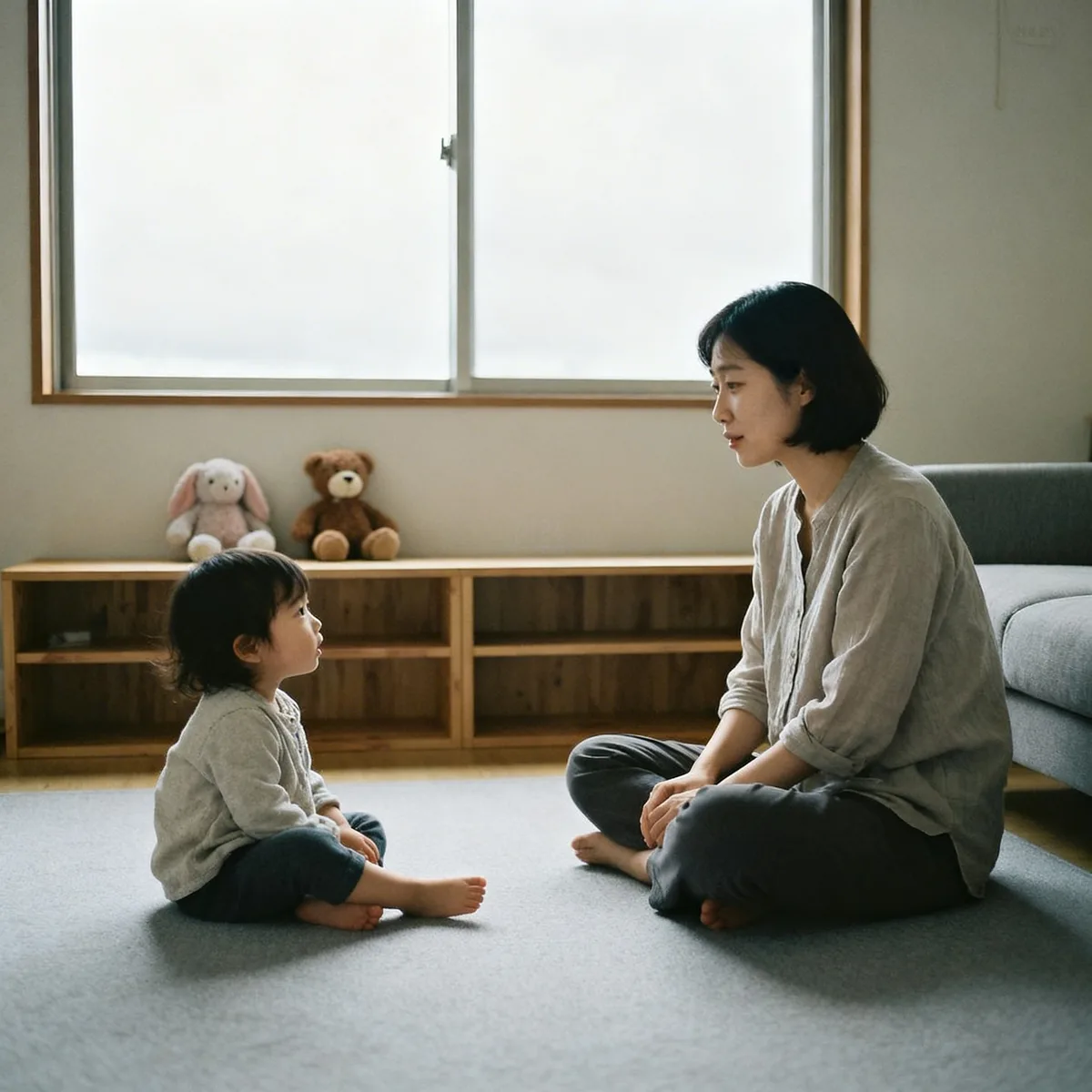
Talk constantly. Narrate what you’re doing, name what they’re pointing at, repeat words back when they attempt them. Language development at two is almost entirely driven by how much spoken language a child is exposed to in real, back-and-forth conversation.
Read together, but don’t stress the sitting-still part. Pointing at pictures and naming things counts. Closing the book after two pages and moving on counts. The exposure matters more than the ritual.
Limit screens where you can — not because a few minutes of a kids’ show is damaging, but because passive viewing doesn’t replace the interaction that actually moves 2 year old milestones forward.
Give them problems to solve. Not hard ones. A lid that doesn’t quite fit, a toy that needs two hands, figuring out how to climb onto the couch. Frustration tolerance and problem-solving develop through low-stakes struggle, not through having everything handed to them.
Keep expectations realistic. Some two-year-olds talk in full sentences. Some are still working on single words. Some are running; some are cautious about stairs. The range is genuinely wide, and comparison — especially to other kids — rarely tells you anything useful.
Routine matters more than most people realize. Predictability helps toddlers regulate, which means they’re calmer, more curious, and more available for the kind of play that supports development. A consistent day doesn’t have to be rigid — it just needs to be recognizable to them.
By age 2, most children use at least 50 words and are starting to combine two words together like “more juice” or “daddy go.” However, there’s real variation — some toddlers are chattier earlier, while others are quiet observers who understand far more than they express.
What matters more than the exact word count is whether your child is communicating their needs and showing interest in language, even if it’s through gestures, sounds, or single words.
Not necessarily. Most two-year-olds are running by this age, but some are still mastering walking with confidence — and that’s still within the normal range. Flat feet, a slightly wide stance, and toes that turn in are all common at this age and usually resolve naturally by three or four.
What’s worth mentioning to your pediatrician: not walking at all by 18-20 months, consistent falling on one side, or a noticeable limp.
If your child isn’t using any words by 18 months, has fewer than 50 words by age 2, or has lost language skills they once had, that’s worth discussing with your pediatrician. Also flag it if they’re not following simple two-step instructions or don’t respond to their name.
Early evaluation is low-risk and can make a real difference, so trust your gut if something feels off.
Big feelings, short fuses, and zero patience are developmentally appropriate at two. Parallel play (playing near other kids rather than with them) is completely normal, as is fierce resistance to sharing.
Your toddler is figuring out that they’re a separate person with preferences — which is why “no” becomes their favorite word. This isn’t a problem; it’s progress.
Two-year-olds understand far more than they can say. Most can follow two-step instructions (“go get your shoes and put them by the door”), recognize objects by name, and comprehend simple stories.
Comprehension almost always develops ahead of expressive language, so a quieter toddler who clearly understands you is showing typical development, even if they’re not talking much yet.