


Activities & Play
Water Play for Babies and Toddlers: Safe, Age-Appropriate Ideas Your Kids Will Actually Love
Laeeka Edries·14 min read

Learn how to survive a road trip with toddler: car seat safety, smart packing, nap timing, rest-stop strategies, and screen-free activities that actually work.
Here’s what nobody tells you about road trips with toddlers: they’re not actually about driving farther or faster. They’re about timing, packing ruthlessly, and knowing exactly when your toddler will lose it — so you can plan around it instead of white-knuckling through it.
Most parents assume a road trip with toddler tips means entertainment hacks or snack strategies. But the real difference between a manageable drive and a chaotic one starts before you leave the driveway: car seat safety, realistic scheduling around nap windows, and honest rest-stop intervals that give your toddler (and you) a genuine reset.
This guide covers everything from pre-trip safety checks and smart packing that actually fits in your car, to sample schedules for half-day and multi-day trips, plus what to do when restlessness peaks.
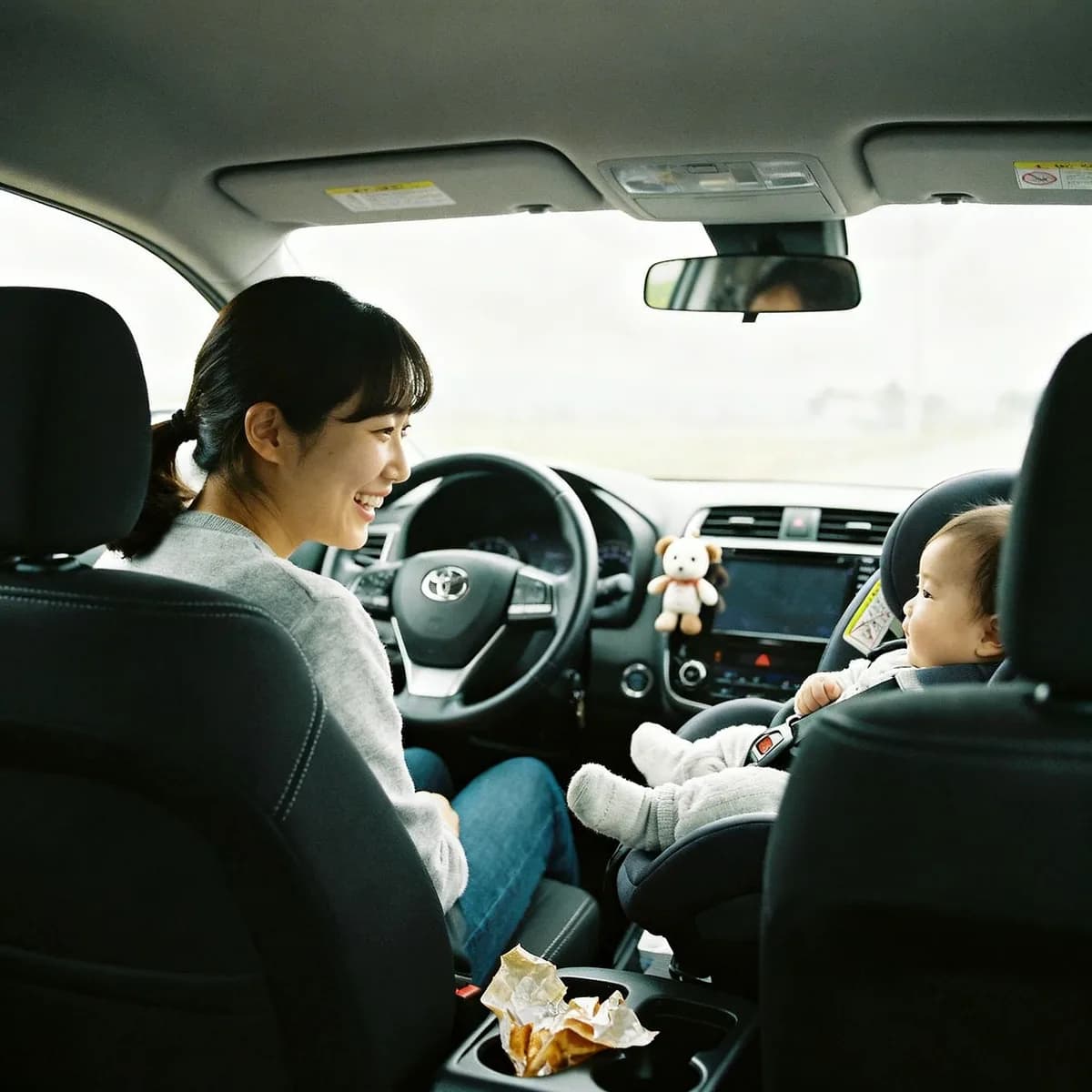
Before you load the car, the car seat deserves your full attention. The CDC estimates that nearly half of all car seats are installed incorrectly — a statistic worth sitting with before a long drive.
The American Academy of Pediatrics recommends keeping toddlers in a rear-facing car seat for as long as the seat’s height and weight limits allow. Most convertible seats support rear-facing up to 40–50 lbs, so check your manual before assuming your child is ready to turn forward.
Harness fit matters as much as installation direction. Straps should lie flat against your toddler’s chest with the chest clip positioned at armpit level. You shouldn’t be able to pinch any slack at the shoulder.
For longer drives, check whether your seat is certified for extended-duration use. Some seats are not designed for continuous wear beyond 90 minutes — the same guideline the AAP applies to newborns in car seats still holds for toddlers on very long stretches.
If you’re planning stops every 1.5–2 hours anyway — which is wise for a toddler’s comfort and yours — this aligns naturally with safe seating practice. Many families traveling with a road trip with baby carry that same rhythm into the toddler years.
Sun exposure through car windows is easy to underestimate. Side windows in most vehicles do not block UVA radiation. The Skin Cancer Foundation confirms that standard automotive glass filters UVB but lets through the UVA rays most associated with skin damage.
A window shade rated for UV protection on your toddler’s side glass addresses this directly. The AAP also recommends applying broad-spectrum SPF 30+ sunscreen on any skin not covered by clothing — including during car travel on sunny days. For context on what sun exposure can do to young skin, baby sunburn treatment outlines how quickly damage can occur and when it requires medical attention.
The goal is one bag you can actually reach from the front seat. For a 1–3-year-old, that means editing ruthlessly before you zip anything up.
Clothing. Pack two outfit changes per day of travel — not per day of the trip. Spills happen in clusters, not evenly. A lightweight zip-up fleece covers temperature swings in air-conditioned cars without bulk.
Feeding supplies. Bring only what your toddler already accepts at home. A road trip is not the moment to introduce new foods. If you’re navigating a selective eater, the strategies in toddler picky eater are worth reviewing before you leave — familiar, accepted snacks will carry you further than variety.
Portable options that travel well: pouches, dry snacks in twist-top containers, and a spill-resistant straw cup. Pack one lidded container of wipes specifically for hands and faces — separate from your diaper bag wipes.
Comfort items. One comfort object — a lovey, a small stuffed animal — plus a backup if your toddler has a strong attachment. Disrupted sleep is one of the harder parts of travel, and anything that signals “sleep time” at home is worth the space. A consistent toddler bedtime routine travels with you if you pack the cues it depends on.
Car-specific gear. Window shade, a slim over-the-seat organizer for snacks and small toys, and a spare car seat cover or liner if yours is hard to clean. A soft silicone bib folds flat and handles most meal stops.
For lap activities and road trip with toddler tips activities, a few board books and one simple sensory toy cover more ground than a full entertainment kit. If you want a versatile carrier that doubles for rest stops and short walks, the BabyRabbit packs flat and earns its place — that’s the honest reason it’s in our bag.
Toddlers between 1 and 3 years old typically sleep 12–14 hours in a 24-hour period, according to the American Academy of Pediatrics. That biology is your biggest scheduling asset on a long drive.
The simplest strategy: depart during a known sleep window. Most toddlers have a predictable nap window in the late morning (roughly 9–11 a.m.) or early afternoon (12–2 p.m.), depending on their schedule. A departure timed 20–30 minutes before that window gives you a solid 60–90 minutes of quiet miles.
Early morning departures — before 6 a.m. — work for a different reason. Many toddlers will simply fall back asleep in the car seat, effectively extending their night sleep. You cover distance before they’re fully awake and before hunger and boredom set in.
Sleep disruption during travel is one of the more common triggers for behavioral escalation in toddlers. Research on toddler sleep published through the NIH’s National Sleep Foundation data consistently links shortened or skipped naps to increased irritability and emotional dysregulation later in the day. If you’re already navigating a phase like toddler hitting phase behaviors at home, disrupted travel sleep can amplify them.
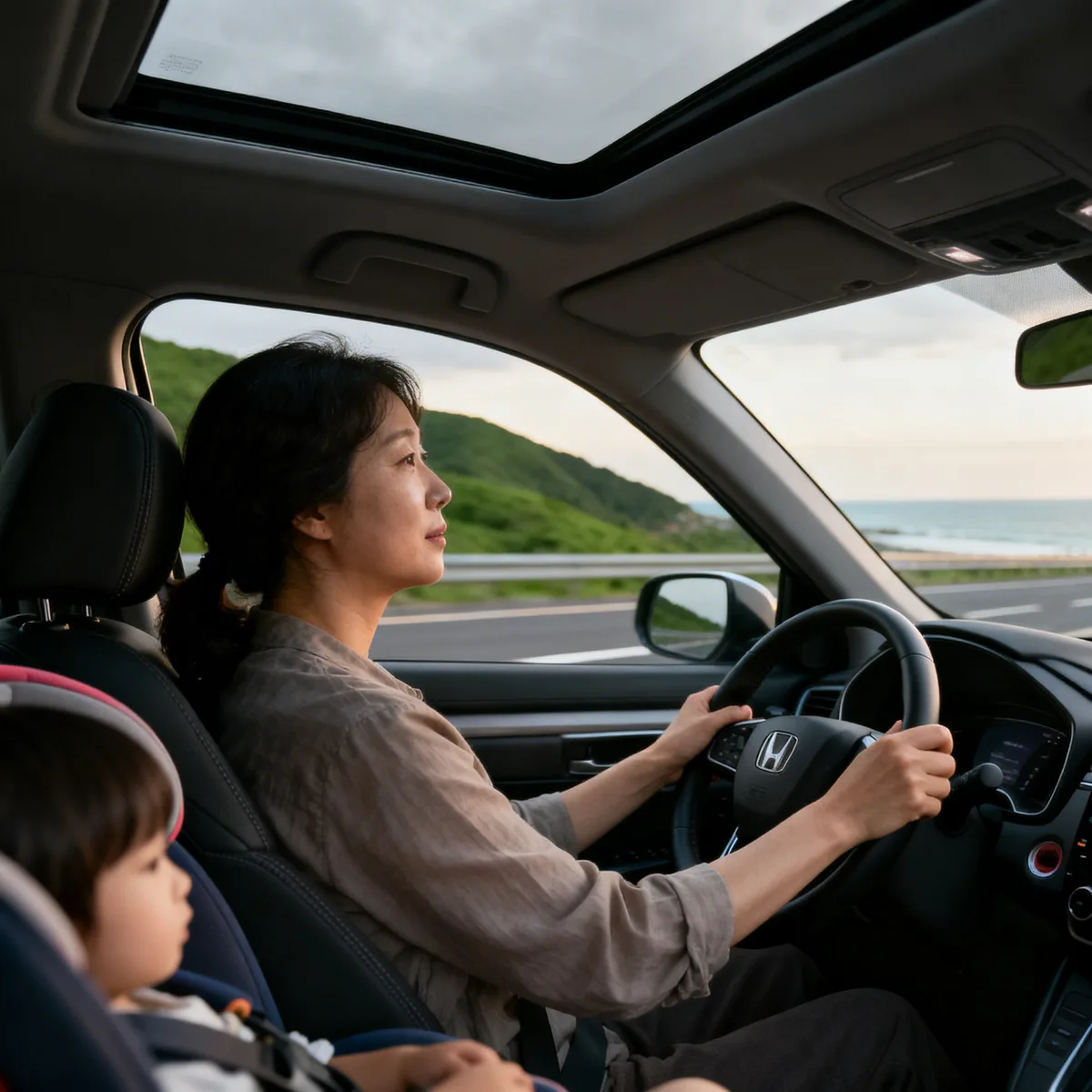
Plan drive segments in 90-minute blocks where possible. That aligns roughly with one full toddler sleep cycle, and it also gives you a natural stop interval for feeding, movement, and a diaper change.
Avoid driving through the 4–6 p.m. window if you can. That period overlaps with the circadian low point many toddlers hit before dinner — even well-rested ones. Overtired plus confined equals a harder stretch than almost any road trip with toddler tips activities playlist can fix.

If naps don’t happen in the car, don’t force it. An earlier bedtime that evening resets the sleep debt without compounding the disruption.
Toddlers between 18 months and 3 years have an average attention span of roughly two to five minutes per year of age, according to child development research cited by the AAP. That means you’re not looking for one activity — you’re looking for a rotation.
Sticker books work well for this age range. They require enough fine motor focus to hold attention, and the mess stays contained to the page.
Reusable water wow books (water-activated color, no ink) are another reliable option. Nothing dries on upholstery, and the image disappears as it dries, making it repeatable across multiple stops.
Small busy boards with latches, buttons, and zippers engage the same problem-solving impulse that drives toddler biting and other hands-on behaviors — redirecting it productively without any cleanup cost.
For sound-based engagement, simple call-and-response games like “I Spy” or animal sound rounds keep toddlers verbal and interactive without requiring props. These also work when hands are full or tired.
On snacks: the CDC recommends toddler snacks be low in added sugar and easy to chew without choking risk. Dry cereal, sliced grapes (halved), cheese cubes, or puffs travel well and don’t leave residue on car seats the way sticky fruit pouches or granola bars often do.
Avoid snacks that require refrigeration past two hours at room temperature — the USDA’s two-hour rule applies in car conditions too, especially in warmer months.
Pack snacks in individual portion containers rather than shared bags. It slows the pace of eating, extends the activity, and reduces the chance of a full bag spilling across the back seat mid-drive.
The American Academy of Pediatrics recommends stopping every 1.5 to 2 hours when traveling with young children. For toddlers specifically, that interval is the outer limit — not the goal.
At each stop, aim for at least 15 to 20 minutes of active movement. A quick walk to stretch legs isn’t enough. Toddlers need to run, jump, and change direction to discharge the tension that builds from being restrained in a car seat.
Highway rest areas with open grass work well. So do small town parks, which you can locate in advance using Google Maps or the iOverlander app. A patch of safe, open ground is all that’s required.
Simple activities move faster than you’d expect: kicking a ball, blowing bubbles, or playing a short game of chase. These aren’t just entertaining — they activate the proprioceptive system, which helps toddlers regulate their emotional state when they return to the car.
Keep the stop predictable. Tell your toddler what’s happening before you arrive and give a clear two-minute warning before it ends. Abrupt transitions back to the car are one of the most common triggers for meltdowns on long drives.
If a scheduled stop isn’t possible, a five-minute roadside break still helps. Even brief movement reduces restlessness and resets attention span — the CDC notes that physical activity supports self-regulation in children ages 3 to 5.
One of the more practical road trip with toddler tips and activities you’ll use: bring a small ball that fits in a door pocket. It costs nothing, takes no space, and gives you an instant structured activity at every stop without unpacking anything.
Sleep disruption is common after days of irregular schedules and missed naps — if that pattern continues once you’re home, the guide on toddler night terrors explains what’s developmentally normal and what actually helps.
A toddler melting down in a car seat is not a sign that something has gone wrong. It is a sign that a small person is doing exactly what their nervous system is built to do when they’re overstimulated, under-rested, and confined.
The AAP notes that toddlers between ages 1 and 3 have limited capacity for emotional self-regulation — their prefrontal cortex, which governs impulse control, won’t be fully developed for another two decades.
That context matters. You’re not failing to manage behavior. You’re managing biology.
When distress starts to escalate, the most effective first move is almost always the simplest: stop the car if you safely can. Physical stillness in a caregiver has a measurable co-regulatory effect on a dysregulated child, according to research on the autonomic nervous system and caregiver attunement.
If stopping isn’t an option, lower your voice rather than raise it. A calm, slow tone — even narrating what you see outside the window — can interrupt an escalating stress response more effectively than distraction toys.

Hunger and thirst amplify everything. The CDC recommends offering water regularly on long drives, not just when a child asks — toddlers often don’t recognize thirst until they’re already irritable.
Keep one comfort object within reach, not buried in the trunk. Predictability — the same snack, the same small blanket — reduces baseline anxiety on unfamiliar routes.
It’s also worth noting that meltdown frequency tends to spike on day two and three of a trip, not day one. Novelty provides buffer early on. Fatigue removes it later.
If you notice that car frustration is part of a broader pattern of emotional intensity at this age, the piece on preschool readiness signs covers emotional regulation milestones in useful detail — it helps separate typical toddler intensity from signs worth discussing with a pediatrician.
Abstract planning only goes so far. Seeing time broken into real phases makes the logistics easier to hold.
Half-day drive (2–3 hours total)
Depart during or just before nap time. That single adjustment can absorb 60–90 minutes of drive time while your toddler sleeps.
Plan one stop at the midpoint — a rest area with open grass works better than a gas station parking lot. Twenty minutes of running changes the energy in the car for the next hour.
Full-day drive (5–7 hours total)
Break the day into three legs, not two. Two long stretches with one break creates a difficult second half. Three shorter legs with two stops keeps the rhythm manageable.
Target stop timing around 10:00 a.m. and again after lunch. The post-lunch window is where most road trip with toddler tips activities recommendations converge — a longer stop here (30–40 minutes) reduces afternoon cabin tension significantly.
Build your last leg to end before 5:00 p.m. Toddler frustration compounds with late-day fatigue. The CDC notes that overtired young children have reduced emotional regulation capacity — what reads as a meltdown is often exhaustion.
Multi-day drive (travel across 2–3 days)
Keep individual driving days under five hours. Spreading distance across more days costs time but preserves the trip itself.
Day two is statistically your hardest. Novelty has worn off, sleep in an unfamiliar place may have been disrupted, and routines are stretched. Plan your lightest driving day on day two, not your heaviest.
If mom burnout is already present before the trip, multi-day drives tend to accelerate it. A realistic schedule accounts for your capacity, not just your toddler’s.
Plan a 10–15 minute movement break every 1.5–2 hours. This aligns with the AAP’s recommendation on continuous car seat time and gives your toddler a chance to burn energy, reset their mood, and reduce restlessness for the next stretch.
Stick to foods your toddler already eats at home — this is not the moment to introduce new items. Pack dry snacks in twist-top containers, fruit pouches, and a spill-resistant straw cup with a secure lid. Avoid sticky, crumbly, or high-sugar snacks that create chaos and blood-sugar crashes.
Timing your departure to align with your toddler’s natural nap window is the single best strategy. A 1–2 hour morning drive timed to hit their first nap gives you quiet travel time and a naturally calmer toddler when they wake. Match your route duration to their sleep cycles whenever possible.
Verify correct installation (nearly half of all car seats are installed incorrectly), check harness fit at the shoulders with no slack, confirm your seat is rated for extended use beyond 90 minutes, and ensure the chest clip sits at armpit level. Review your car seat manual to confirm your toddler hasn’t outgrown rear-facing limits.
Reusable sticker books, soft activity books with textures, pipe cleaners for threading, magnetic games in contained trays, and a small toy rotation (introduce one every 30–45 minutes) keep toddlers engaged without screens. Avoid small parts, loose items, and high-mess toys.