Tiny Tidbits

Is Baby Hand Sucking a Bad Habit? When to Swap Hands for Teethers
In this article: Why Babies Suck Their Hands When to Introduce a Teether Parenting Tips for the Transition If you’re a parent, you’ve probably seen it countless times that your baby happily sucks on their hands. At first, it looks cute. Then the questions start to creep in.“Will it become a habit?” “Should I stop it?” Baby hand sucking is actually a very common part of early development. For most babies, it’s not a bad habit at all. It’s a way to explore the world and soothe themselves. Understanding why babies do this and when to gently introduce a teether can help parents respond with confidence instead of worry. Q: Why do babies suck their hands? Baby hand sucking is a natural part of development.Between 2 and 6 months, babies become more aware of their bodies and use their mouths for: Sensory Exploration: Their mouth is the primary tool for learning about textures and sensations. Self-Soothing: It helps them calm down and feel secure. Gum Relief: It provides counter-pressure for early teething discomfort. Q: Is baby hand sucking normal, and until what age? In most cases, it’s completely normal. Hand sucking is not a sign of anxiety or a bad habit in infancy. It is a natural form of self-comfort before babies develop other ways to soothe themselves. Generally, this behavior is considered normal up to around 12 months of age. It is especially common: Before naps or bedtime In new or highly stimulating environments During growth or developmental spurts As babies gain new motor and communication skills, hand sucking usually decreases on its own. Q: When should parents introduce a teether? You can typically introduce a teether around 3–4 months, or when you notice your baby intentionally bringing objects to their mouth. Signs your baby is ready include: Strong hand-to-mouth movements Chewing on fingers or toys rather than just sucking Increased drooling and mild gum sensitivity Q: Should I try to stop my baby from sucking their hands? No. Trying to stop hand sucking directly often leads to frustration for both parents and babies. Instead of saying “don’t,” it’s more helpful to offer an alternative. A teether gently redirects the baby’s natural chewing instinct without suppressing their need for self-soothe. While hands are convenient, teethers are often more hygienic, easier on the skin (preventing drool rashes), and specifically designed to stimulate the gums safely. 👉 This is a teether! Final Thoughts Baby hand sucking isn’t something parents need to “fix.” It’s a milestone to understand. It’s a normal part of development that shows your baby is learning how to explore and self-soothe. Over time, most babies naturally move on from hand sucking as they gain new skills and ways to find comfort. When the timing feels right, offering a teether can make this transition easier and more comfortable for both baby and parent. If you’re looking for a teether designed with this stage in mind, you can explore one option 👉Baby Teether. Sometimes, the best support is not stopping a behavior, but gently guiding it. Key Takeaways: Hand sucking is a healthy way for babies to explore and calm themselves. Introduce a teether around 3–4 months when your baby starts chewing rather than just sucking. Teethers are a cleaner, safer alternative that protects your baby's skin from drool rashes. Never force a baby to stop sucking, just simply offer a teether to redirect the habit. Sources: The Importance of Teethers in Oral Motor and Feeding Skills Why babies put everything in their mouths | Lovevery
Learn more
How to Keep Your 6 Months + Baby Busy: Enchanting Healthy Rice Snack
In this article: Why it's the Perfect First Snack (6m+) How the "Melt-Away" Trick Buys You Time Developing Baby’s Motor Skills Conclusion: The Best Snack for Busy Parents Every parent knows that beautiful, yet terrifying moment of absolute silence. Usually, it means they’ve found a permanent marker and are currently redecorating your white sofa. But what if you could get 5 to 10 minutes of guaranteed peace that is actually good for them? No screens, no sugar, just a simple Pop Rice Snack from Korea. The Perfect First Snack for 6 Months+ In Korea, Pop Rice Snack is widely recognized as the essential "first snack" for babies. We especially recommend it for infants 6 months and older who are starting to develop their first teeth and exploring solid foods. It has become a staple in Korean parenting, trusted for its safety and nutritional value. The unique texture is designed to dissolve easily in the mouth, making it a safe option for early self-feeding. Why This Pop Rice Snack is Different When choosing your baby's first snack, high standards are a must. Our Pop Rice Snack is made with 100% Korean rice and contains no artificial additives or preservatives. Furthermore, the snack is made using a high-temperature popping method with no oil.Instead of being fried, the rice is expanded under heat and pressure, ensuring a clean and wholesome treat for your baby. Zero Sugar. Zero Salt. Zero Mess. If you look at the back of a standard baby snack box, the ingredient list is often surprisingly long. However, Pop Rice Snack is different: Exactly one ingredient: 100% Korean Rice. No mess: It doesn't crumble into a million pieces or leave sticky orange dust on your carpet. It simply dissolves into a clean purée. The 5-Minute "Melt-Away" Trick This isn’t about distracting your baby but it’s about engaging them in a way that supports healthy motor development. While most baby puffs are tiny and gone in a split second, our long rice sticks are designed to melt slowly. Because it takes time to dissolve, your baby stays focused on the task at hand. It’s a natural, edible way to keep them occupied. Now you finally have enough time to finish that email, unload the dishwasher, or drink a cup of coffee while it’s actually hot! Developing Fine Motor Skills While you’re enjoying a moment of quiet, your baby is practicing important developmental milestones: Palmar Grasp: Holding the long stick helps develop their grip. Hand-Eye Coordination: Navigating the stick to their mouth improves their precision. Self-Feeding: It encourages independence during snack time. Conclusion You don’t need a miracle to keep your child quiet, you just need the right snack. Pop Rice Snack is the healthy, mess-free solution that gives you the break you deserve. Ready for a little quiet time? It might be as simple as the right snack. 👉 Check out Pop Rice Snack! Key takeaways Guaranteed Peace: The slow-melting texture keeps babies focused, giving you a 5-10 minute break. Pure & Safe snack: Made with 100% Korean Rice, with no sugar, salt, oil, or additives. Develops Fine Motor Skills: Naturally develops the gripping and hand-eye coordination. Sources: Naeiae Korean Pop Rice Snack Bundle (5 PACKS) – Zezebaebae The Importance of Finger Food Snacks for Development - Meg Faure
Learn more
Don’t Buy Baby Eczema Cream Yet: Why Treating the Root Cause Matters More
In this article: The Hidden Triggers: From "sensitive" wipes to the food on their plate. The Solution: Key factors to look for when choosing the right eczema cream. Before you spend another dime on a "miracle" lotion, read this. Even the best cream in the world can't fix eczema if you are ignoring the hidden triggers. The Search for a Cure: My Personal Experience I know exactly what your bathroom counter looks like right now. It’s likely a graveyard of half-used tubes, jars, and bottles of creams that promised to fix everything, but didn't. I know, because that used to be my counter. When I was battling eczema at a young age, I didn't just try the drugstore brands. I was the person willing to try anything to make the itching stop. I went to a specialized Korean Han Clinic to take traditional herbal medicine. I even started gardening -growing my own Aloe Vera plants just so I could slice open the fresh leaves and apply the raw gel directly to my inflamed skin. I was genuinely trying so hard. I thought if I just found the one magical ingredient-right herb, the right plant, the right expensive lotion- it would cure me. But I was looking for a magic wand when what I needed was a system. I realized I was approaching the problem backward. I was obsessively trying to put out the fire with lotions, but I wasn't looking for the person holding the matches. Here is the truth: Eczema skin needs cream. It is thirsty and damaged. But if you are applying cream while ignoring the environmental triggers, you are fighting a losing battle. 3 most common triggers parents overlook. Trigger #1: Hidden Chemical Irritants (Wipes & Laundry) Babies with a compromised skin barrier have hyper-sensitive immune systems. Things that smell "fresh" or claim to be "clean" are often chemical warfare to their skin. The "Wet Tissue" Trap This is the most common mistake. Even wipes labeled "sensitive" or "unscented" often contain preservatives to stop mold from growing in the wet package. The Culprit: A common preservative is Methylisothiazolinone (MI). Studies cited in Occupational Dermatology have identified MI as a significant cause of allergic contact dermatitis, noting that it can worsen rashes even in products designed for babies. The Fix: Stop using wipes for pee diapers. Use the "French Method": a cotton ball or soft dry cloth dipped in lukewarm water. The Laundry Detergent Issue Detergents with fragrances leave a residue on clothes that sits against your baby's skin 24/7. The Culprit: Optical brighteners and synthetic fragrances found in standard detergents and fabric softeners. The Fix: Switch to a "Free & Clear" detergent and never use fabric softener or dryer sheets. Trigger #2: Food Allergens (And Why Skin Comes First) Many parents think food allergies cause the eczema. But groundbreaking research suggests it might be the other way around. Scientists call this the "Dual Allergen Exposure Hypothesis." When a baby has a "leaky" skin barrier, food particles (like peanut dust or milk proteins) can enter the body through the skin cracks, triggering an immune response. A study published in the Journal of Allergy and Clinical Immunology: In Practice found that treating eczema aggressively and early (fixing the skin barrier) actually resulted in fewer food allergies by age two. The Takeaway: Don't just eliminate foods blindly. Focus on sealing the skin barrier to stop allergens from getting in. The Strategy: If you suspect a specific food trigger (like cow's milk or eggs), consult your pediatrician before changing the diet. Trigger #3: The Heat Factor We often worry about babies getting cold and dry (especially during winter), so we bundle them up. But for an eczema baby, sweat is an itch-inducer. When sweat dries on the skin, it leaves behind sodium, which can irritate the "leaky" skin barrier we discussed earlier. If your baby wakes up scratching, check if they are too hot. The Fix: Keep the nursery cool (around 68-70°F or 20-21°C) and stick to 100% cotton clothing. Avoid wool and synthetic fabrics that trap heat. The Solution: Choosing the Right Cream Once you have removed the triggers, you have stopped the active attacks on your baby's skin. Now, your skincare can finally do its job. But you can't just use a watery lotion. You need a cream that mimics the skin's natural "mortar"—rich in ceramides and lipids—to physically patch the holes in the wall. This isn't just about comfort; as the research shows, sealing the barrier is critical for overall health. If you want a product that checks every single safety box without the guesswork, we recommend CHA&MOM Phyto Seline Intense Cream. Developed by CHA Bio Group (CHA Hospital) -Korean experts with 60 years of research in mother and baby care- this isn't just a moisturizer, it's a barrier repair system. Why it works when others fail: 🏥 Hospital-Grade Science: Formulated by medical researchers, not just a beauty lab. 🌿 Phyto Seline™ Complex: Mimics the "Probiotic Shower" babies receive at birth to naturally boost skin immunity. 💧 72-Hour Moisture: Clinical tests show it locks in hydration for 3 days. 🛡️ The "Smart Mortar": Packed with Phytoceramides and Jojoba Oil to physically fill the gaps in the skin barrier. [Stop the Itch: Get CHA&MOM Phyto Seline Cream Here] You Are Doing a Great Job Before you go, I want to say one thing: Eczema is exhausting. It plays games with your mind and makes you feel like you aren't doing enough. You are doing enough. Don't let a bad skin day make you feel like a bad parent. Take a deep breath, check the triggers, apply the cream, and give yourself some grace. You’ve got this. Key Takeaways Skincare is vital, but the environment comes first: Even the best cream can't fight constant irritation from wipes, detergents, or allergens. Beware of "Clean" Chemicals: Ditch the wet wipes (use water/cotton) and skip fabric softeners. Seal the Barrier: Fixing the skin early doesn't just stop the itch—it may help prevent food allergies later. Trust Medical Research: Look for barrier-repairing creams backed by science, to truly fix the "leaky" skin wall. 📍Medical Disclaimer: I am not a doctor. The information in this post is for educational purposes only and based on research and personal experience. Always consult with your pediatrician or a pediatric dermatologist before making changes to your baby's treatment plan. Sources: Journal of Allergy and Clinical Immunology: In Practice: "Earlier aggressive treatment to shorten the duration of eczema in infants resulted in fewer food allergies at 2 years of age" Clinical & Experimental Allergy: "Management of infant atopic eczema to prevent severe eczema and food allergy" Eczema in Early Life: Genetics, the Skin Barrier, and Lessons Learned from Birth Cohort Studies. Biagini Myers, Jocelyn M. et al. The Journal of Pediatrics, Volume 157, Issue 5, 704 - 714
Learn more
Stop Saying "No": 7 Phrases That Actually Get Your Child to Listen
In this article: The Psychology of "No" 7 Strategies for Positive Communication Conclusion: Building a "Yes" environment at home. As parents, “No!” often becomes our default setting. Whether it’s to prevent a mess or keep our children safe, we find ourselves saying it dozens of times a day. However, research in child development suggests that children tend to respond more effectively when they are told “what to do”, rather than “what not to do”. When negative commands are used repeatedly, they can be tuned out over time, making cooperation harder. To raise a confident and cooperative child, try replacing your habitual “No” with these 7 positive communication strategies to help create a more encouraging “Yes” environment at home. 7 positive communication strategies 1. "First ____, Then ____" (Sequential Choice) Children often resist when they feel their desires are being ignored. Instead of a flat-out rejection, show them the path to getting what they want. Instead of: "No snacks now!" Try: "First, let's eat our healthy dinner, then we can enjoy a yummy snack together." Why it works: It turns a "denial" into a "promise," teaching them patience and self-regulation. 2. "Try This Instead" (Redirection) Young children often lack the impulse control to simply "stop." They need an outlet for their energy. Instead of: "Don't run!” Try: "Let's walk like slow turtles inside. Tomorrow, we can run like cheetahs at the park!" Why it works: You are validating their energy but redirecting it to an appropriate time and place. 3. "Can You Help Me?" (Role Empowerment) Children have a natural instinct to participate in the adult world. Turning a forbidden action into a small mission gives them a sense of responsibility. Instead of: "Don't touch that!" Try: "This is very fragile. Can you help me by carefully placing this box in the basket? I need a big helper." Why it works: It shifts their role from a "troublemaker" to a "helper," boosting their self-esteem. 4. "Sportscasting" (Objective Observation) Sometimes, simply describing what is happening helps a child realize their own behavior without feeling attacked. Instead of: "Stop screaming!" Try: "I hear you using a very loud voice. It seems like you are feeling very frustrated right now." Why it works: This helps children identify their emotions and learn to name them, which is the first step in emotional regulation. 5. Offer Alternative Actions for Aggression If a child is hitting or biting, they are usually trying to express a big emotion they can't handle. Instead of: "Don't hit! That's bad!" Try: "Hitting hurts. I can't let you hit me, but you can hit this soft pillow if you are angry." Why it works: It sets a clear boundary for safety while acknowledging their need to release frustration. 6. Set Visual Boundaries (The "Wait" Strategy) Children have a poor sense of time. "Wait a minute" means nothing to them. Instead of: "Not now, I'm busy!" Try: "When the big hand on the clock reaches the 6, it will be time to play together." Why it works: Giving them a concrete signal reduces anxiety and makes waiting feel achievable. 7. Empathize First, Limit Second Always validate the feeling before stopping the action. A child who feels understood is much more likely to cooperate. Instead of: "Stop crying, we have to go!" Try: "I know you're sad to leave the park because you were having so much fun. I feel sad too, but it’s time to go home for a bath." Why it works: It builds a foundation of trust. They realize you aren't against them; you are simply guiding them. Conclusion Creating a "Yes" Environment Changing your speech patterns takes time and patience. You don't have to be a perfect parent every single day. By practicing these 7 positive shifts, you are building a home environment based on mutual respect rather than constant conflict. Which of these tips will you try today? Small changes in your words can make a big difference in your child's world. Key Takeaways: Children follow positive instructions more effectively than simple rejection. Empower, don't just reject Validate feelings first Consistent shifts in your words create a home built on mutual respect rather than constant conflict. Sources: What To Say Instead Of “NO!” – Six Ways To Gain Your Child’s Co-operation – Regarding Baby Neuroscience-Based Parenting: Why Positive Directions Work | Collaborative for Chi
Learn more
Why is My Baby’s Skin So Sensitive? : Understanding the Probiotic Shower
In this article: Baby’s sensitive skin starts at birth Mom’s first gift: probiotic shower C-section babies and post-birth care Restore the skin environment from the start If you’ve been applying endless layers of lotion, yet your baby still struggles with sensitive skin, this is for you. The truth is, the story of your baby’s skin begins at the moment of birth. Do you know the very first thing a baby is "bathed" in as they enter the world? It’s not water; it’s their mother’s probiotics. The First Gift: The "Microbiome Shower" Inside the womb, a baby grows surrounded by amniotic fluid in an almost sterile environment. Then, the moment they step into the world, everything changes. During natural childbirth, as a baby passes through the birth canal, they have their first contact with the probiotics living in the mother’s body. As the amniotic fluid breaks and mixes with the bacteria on the vaginal walls, these microbes enter the baby’s skin and gut. This essential process is known as the "Microbiome Shower" or "Probiotic Shower." Why This First Shower Sets the Stage The microbes that enter a sterile body first are the ones that claim the "best seats." The more beneficial bacteria a baby receives from their mother, the stronger their internal and skin ecosystem becomes, naturally leaving less room for harmful bacteria to settle in. Issues like Eczema, frequent breakouts, and unexplained rashes aren't just because the skin is "weak." It’s often because the foundation of this microbial ecosystem needs reinforcement. What About Babies Born by C-Section? Then is it over for babies born by C-section? Absolutely not. What matters most is what happens after birth. Even if a baby didn’t fully experience a Microbiome Shower, there are ways to recreate that protective shield. 1. For Inner Care: Breast Milk Breast milk is more than just nutrition. It contains: Immune-boosting substances Beneficial probiotics Components that help beneficial bacteria grow A mother can continue to gift probiotics to her baby long after birth. Then how can we improve the skin environment? 2. For Skin Care: The Probiotic Skincare A baby’s skin is incredibly thin. Frequent washing and wiping can accidentally strip away the good bacteria living on the surface. This is why modern skincare is shifting from "just cleaning" to "maintaining balance." This is where probiotic-based baby washes and lotions come into focus. Probiotic ingredients help: Protecting the skin barrier Creating an environment where beneficial bacteria can stay Strengthening the skin against external irritants Probiotic skincare essentially acts as a daily extension of that original “Probiotic Shower." 👉 Get this Probiotic moisture cream for babies and moms The Core of Baby Skincare: Going Back to the Beginning When was a baby most comfortable? It was in the womb, and in the natural microbial environment passed down from their mother. True baby skincare is about mimicking that environment during every bath and every lotion application. It’s not about applying stronger chemicals once a problem occurs. It’s about creating an environment where the skin can balance itself. Dear Parents, Your baby’s skin might be sensitive simply because its protective "ecosystem" isn't fully finished yet. Focus on restoring that natural balance, and give your baby the skin environment they were always meant to have. Key takeaways A baby’s skin sensitivity is influenced by the microbial exposure during birth, especially through the birth canal. The “probiotic shower” at birth seeds the baby’s skin and gut with beneficial bacteria that form the foundation of a healthy skin ecosystem. Breast milk continues to support probiotic protection after birth. Probiotic skincare products protect the skin barrier and create a favorable environment for good bacteria. Probiotic skincare helps keep baby’s skin balanced and healthy. Sources Melissa B Manus, Maria Luisa Savo Sardaro, Omolola Dada, Maya Davis, Melissa R Romoff, Stephanie G Torello, Esther Ubadigbo, Rebecca C Wu, Maria Gloria Dominguez-Bello, Melissa K Melby, Emily S Miller, Katherine R Amato, Birth and household exposures are associated with changes to skin bacterial communities during infancy, Evolution, Medicine, and Public Health, Volume 13, Issue 1, 2025, Pages 49–76, https://doi.org/10.1093/emph/eoae023 De simone, "내 아이를 위한 유산균샤워의 모든 것 (Everything about my LO's probiotic shower: a wonderful gift from mom)"
Learn more
Post-Tantrum Depression: 3 Steps to Recover from the Baby Blues
In this article: The Feeling: Why you feel sudden sadness after a discipline battle. The Science: The "Co-Regulation Cost" explained by recent research. The Fix: 3 quick steps to reset your nervous system. To the mom hiding in the bathroom for a moment of peace: To the parent asking, "Why can’t I stop crying over something so small?" I see you. We often talk about the "Baby Blues" in the newborn days—that fragile, weepy exhaustion caused by hormones. But nobody warns you that those same feelings can come rushing back years later, right in the middle of the toddler phase. If you are feeling a heavy wave of sadness immediately after a tantrum, you aren't broken. You are experiencing "Post-Tantrum Depression." Why It Feels Like the "Baby Blues" You thought you graduated from the emotional rollercoaster of the newborn days. But then: A massive tantrum happens. You hold the boundary. You manage the screams. The silence finally comes. And then, you crash. Instead of relief, you feel empty. You might find yourself shaking or crying uncontrollably. It feels exactly like the "Baby Blues" because the biology is almost identical. The Science: The "Cost" of Co-Regulation You aren't feeling this way because you are "too sensitive." You are feeling this way because calming a child is biologically expensive. Recent research calls this the cost of Co-Regulation. When your toddler loses control, you have to "lend" them your calm. You suppress your own stress to help them manage theirs. During the Tantrum: You are in a high-energy state (borrowing energy from your future self). After the Tantrum: The debt comes due. Your nervous system switches abruptly from "Mobilization" (high energy) to "Immobilization" (crash). The Crash Symptoms: Physical: Heaviness in limbs, shaking hands. Emotional: Sudden tearfulness, feeling "thin-skinned." Mental: Decision fatigue (inability to choose what to eat). The 3-Minute Reset You cannot think your way out of a biological crash. You have to treat your body first. 1. Cool Down the System Stress heats up the body. Let’s cool down the system immediately. go to the sink and splash cold water on your face, or hold an ice cube in your hand for thirty seconds. This thermal shock stimulates the vagus nerve—the "brake pedal" of your nervous system—signaling your heart rate to slow down instantly. 2. The "Physiological Sigh." Crying upsets your oxygen balance, which keeps you feeling panicked. Reset this by inhaling deeply through your nose, then taking a second, tiny inhale on top to fully pop open the air sacs in your lungs. Follow this with a long, slow exhale through your mouth. Repeat this three times to physically force your body out of panic mode. 3. The "Repair" Mantra Once your heart rate is down, your brain will try to analyze what went wrong. Stop the rumination before it starts by saying out loud. "My feelings are just chemistry. I am a good mom recovering from a hard moment." This reminds you that sadness is a biological event, not a moral failure. You Are Doing a Good Job 🥹💕 Please remember that your worth as a mother is not measured by how calm you feel in the aftermath of a storm. These tears are not a sign of weakness; they are simply the release valve for the immense love and effort you pour into your child every single day. So when the crash comes, be as gentle with yourself as you are with them. Take a breath, let the wave pass, and trust that; You are exactly the parent your child needs. Key Takeaways It’s Normal: "Post-Tantrum Depression" mimics the "Baby Blues" because both are nervous system crashes. It’s Biological: You aren't failing; you are paying the "energy cost" of co-regulating your child. Body First: Use cold water and breathing to reset before you try to analyze your parenting. Sources Delahooke, M. (2022). Brain-Body Parenting: How to Stop Managing Behavior and Start Raising Joyful, Resilient Kids. Harper Wave. Kennedy, B. (2022). Good Inside: A Guide to Becoming the Parent You Want to Be. Harper Wave. Roskam, I., & Mikolajczak, M. (2020). "Parental burnout: Moving the focus from children to parents." New Directions for Child and Adolescent Development, 2020(174), 7–13. https://onlinelibrary.wiley.com/doi/abs/10.1002/cad.20376
Learn more
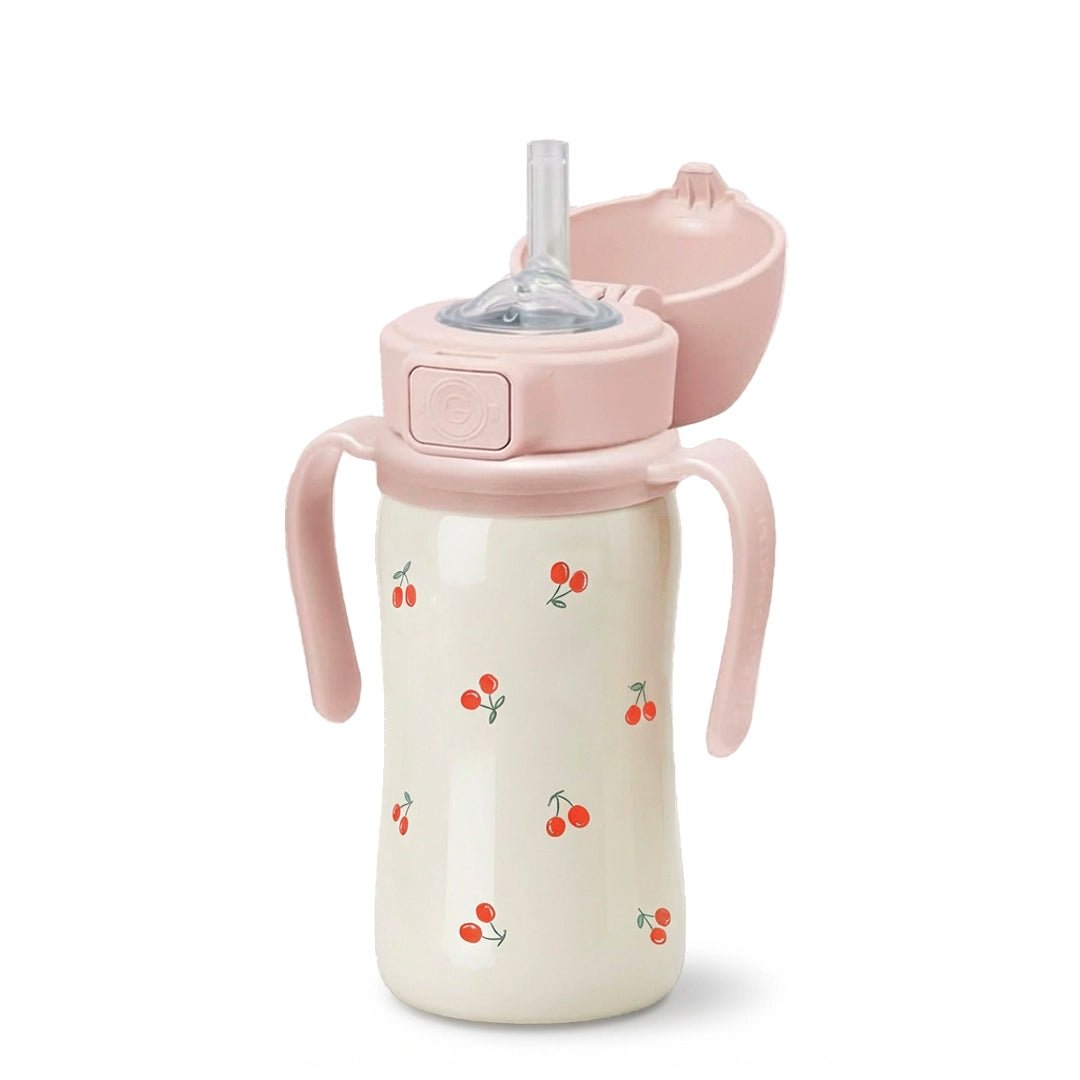
Sippy Cup or Straw Cup First? Do You Even Need a Sippy Cup?
In This Article Why sippy cups help babies build real “cup skills” (not just reduce spills) Sippy vs straw: what to choose first, and why many families start with sippy A quick shopping checklist for you You buy a cup. Your baby rejects it. You buy another cup. Now you have a whole shelf of cups. |And the internet is yelling: “Skip the sippy!” “No, sippy first!” Here’s the simple take: for most babies, a sippy cup is a great first step because it helps them actually practice cup drinking every day. And daily practice is what builds the skill. The developmental reasons sippy cups matter: they make “cup skills” achievable Cup drinking is not one skill. It’s a few small skills put together. What babies are learning: Hold the cup steady Bring it to the mouth Sip (small amounts) Swallow safely Why we recommend a sippy cup early: Easier first success (many babies manage a spout sooner than a straw) Less mess → you offer the cup more often More practice → faster progress The American Academy of Pediatrics (AAP) also supports offering a cup around solids (often ~6 months) and says you can use a sippy (training) cup. Nationwide Children’s Hospital even suggests a super simple start: at about 6 months, let your baby hold an empty open sippy or 360° cup with handles during a daily meal to practice. Sippy cup or straw cup first? Here’s the quick answer: start with what gets you consistent practice. For many families, that’s a sippy cup first. Start with a sippy cup if you want: Quick wins (baby drinks sooner) Easy daily practice Less spill stress Start with a straw cup if: Your baby “gets it” quickly You mostly practice at calm mealtimes You don’t mind more early spills In a nutshell, use a sippy cup first for confidence and make it a routine. Then, add straw once your baby is ready. Keep moving toward "regular cup" skills over time. Quick shopping checklist Use this list so you don’t overbuy. Easy to clean (fewer parts is better) Easy to hold (handles or a good grip shape) Gentle on gums (good for teething months) Leak-resistant for real life (but not so sealed it forces sucking) 👉 Go buy an easy-to-clean, spill-proof sippy cup for a perfect transition 💚 If your baby is starting solids and you want a smooth transition, a sippy cup is a smart first move. It makes cup practice easier, and easier practice is what turns into real skills. Final Takeaways Start cup practice around solids (often ~6 months). We recommend sippy cups early because they make practice easier and more consistent. A simple path works: sippy first → add straw → build real cup skills. Related post: Why Your Toddler Refuses Milk from a Sippy Cup: 7 Ways to Transition from Bottle to Cup Sources Nationwide Children's, "Weaning Your Baby: Cup Feeding" U.S. Centers for disease control and prevention, "Fingers, Spoons, Forks, and Cups"
Learn more
Why Your Toddler Refuses Milk from a Sippy Cup : 7 Ways to Transition from Bottle to Cup
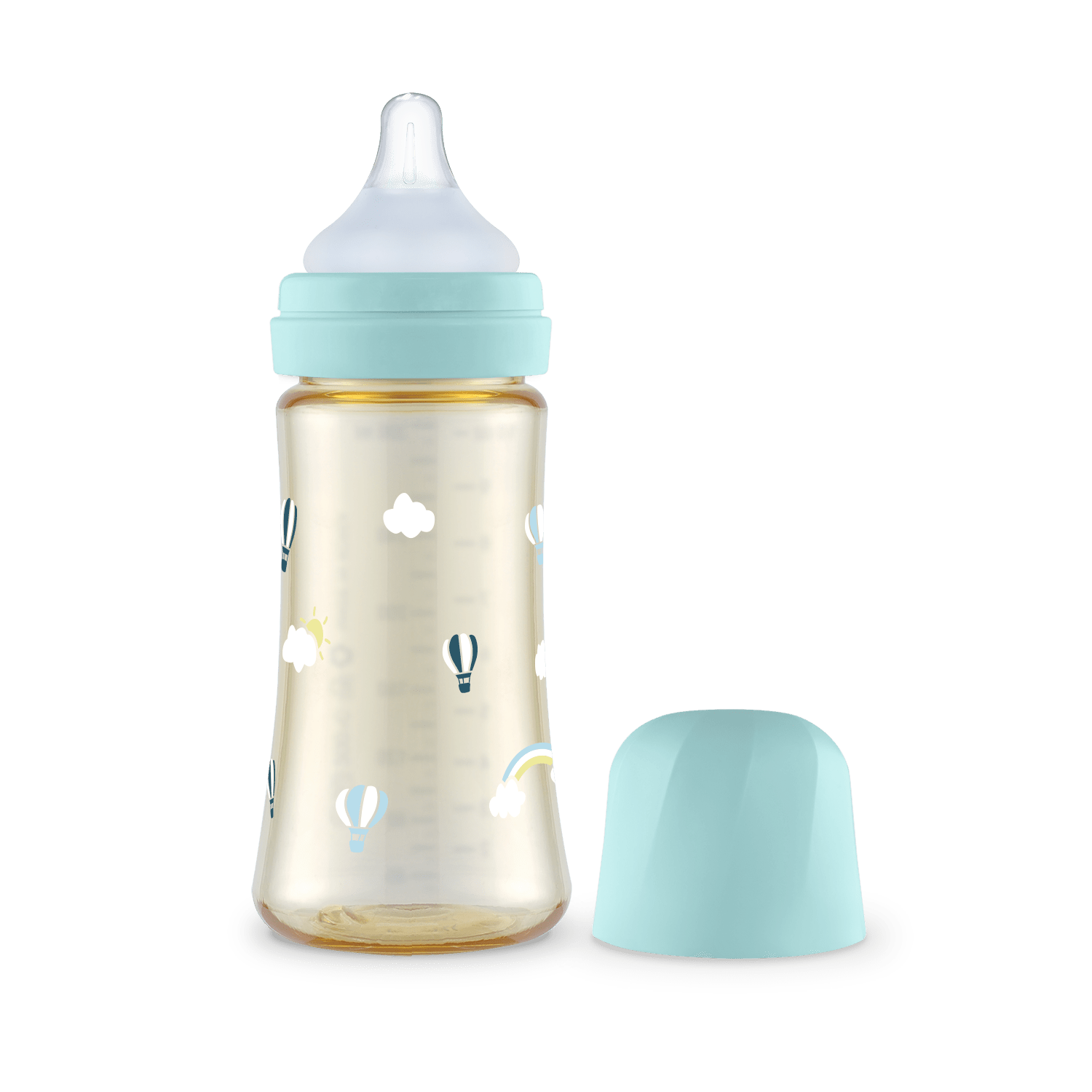
In This Article Why your toddler refuses milk from a sippy cup 7 ways to transition from bottle to sippy cup If your toddler will happily drink water from a sippy cup yet demands milk only from a bottle, you did not screw it over; you are simply dealing with something extremely common: not a “bad habit” in the moral sense, but a powerful association(milk = comfort + bottle = familiar mechanics). Parenting forums and mom blogs are full of near-identical stories -water is fine, milk is a battle- because the pattern is genuinely widespread. We offer you a practical, low-drama plan built around what child-health guidance recommends (introducing cups from around 6 months and discouraging bottles after age 1), plus the real-world strategies parents repeatedly report using. 3 reasons why your toddler refuses milk from a sippy cup There are countless posts on communities for parents and moms saying, “My LO drinks water in a cup, but milk has to be in a bottle”. They’re describing a very common split: water is functional; milk is emotional. Here’s what’s usually going on: 1. Milk is tied to comfort routines. Many toddlers associate milk with regulation (bedtime, cuddling, calming down), and the bottle is part of that ritual. Parent-facing pediatric sources describe milk-from-cup protest as a typical, short-term phase for many kids. It’s a natural thing! 2. Sippy cup physics can be… rude. Bottles deliver a predictable flow and familiar mouth pattern. Sippy cups require more effort. If your child has to work harder to suck the rich texture and loses the comfort association, refusal makes sense. 3. Refusal got rewarded (accidentally) If your toddler refuses the cup and the bottle reliably returns, their brain learns: refusal works. This is not ‘manipulation’, it’s basic reinforcement. What the experts say about the bottle-to-cup transition According to Dr. Jennifer Shu, the ideal transition begins around 6 months, and UCSF Benioff Children’s Hospital has stated in general, children can be weaned off the bottle around 12 to 18 months. 7 ways to transition from bottle to sippy cup 1. Start with the “least-emotional” bottle (NOT the sacred bedtime one) Don’t begin with the bedtime bottle if that’s the one your toddler clings to most. Start with the easiest bottle to replace (often mid-morning or lunchtime). The American Academy of Pediatrics guidance supports gradual bottle weaning and specifically calls out eliminating bottles at naps/bedtime as part of the process- meaning you can work up to those. Betime bottles have the energy of a family heirloom. Don’t start there unless you enjoy chaos! 2. Put milk in the cup early (avoid the “cups are for water” trap) This is the big one. If cups are always for water, toddlers can become reluctant to drink milk from a cup later. Funny-but-true: toddlers love rules they invented five minutes ago. “Milk goes in a bottle” becomes a constitutional amendment. 3. Adjust the milk temperature (yes, your toddler has “preferences” now) Some toddlers accept slightly warmer milk from a cup because it feels closer to bottle comfort. 4. Feed very slowly Treat this like a new skill, not a test of willpower. UCSF Benioff Children Hospital’s bottle-weaning guidance suggests helping your child hold the cup and tipping a small amount into their mouth —so start with just 1–2 ounces and keep it low-stakes. Sit your toddler upright, guide their hands, touch the rim to the lower lip, tip just enough for a sip, then pause so they control the pace. This “slow, baby-led” pace is consistent with clinical cup-feeding approaches and helps prevent coughing/dribbling that can make toddlers decide the cup is “bad.” 5. If milk refusal seems “physical,” don’t force it. Investigate. If your toddler only refuses milk (or seems uncomfortable after it), consider whether milk is upsetting their stomach. Lactose intolerance typically appears later, but flags that children can learn the “milk makes me feel yucky” link and avoid it. In that case, the “cup battle” may be misdiagnosed. Also, make sure you’re not weaning your child during a relatively stressful time, such as when a new sibling has just arrived or when the family has just moved to a new house. Pick a relatively stress-free time to wean your child. 6. Replace comfort with comfort (not with “because I said so”) If the bottle is emotional regulation, you cannot remove it and replace it with nothing except your nervous energy. AAP guidance literally recommends extra snuggles, songs, and bedtime stories during the transition. 7. Most importantly, be consistent and patient 🤎 Consistency and patience matter because toddlers learn through reinforcement: if refusing the cup occasionally results in the bottle coming back, that “refusal” behaviour gets strengthened and becomes more persistent over time (a basic principle in operant conditioning and reinforcement schedules). Encouragingly, structured bottle-weaning efforts in real families show that a clear, repeated plan can reduce bottle use—so the goal isn’t to “win” today, but to keep the pattern steady long enough for your child to accept the new normal. To Wrap up... At the end of the day, this is less about finding a “perfect” sippy cup and more about gently rewiring a routine that your toddler genuinely finds comforting. If you stay steady (same plan, same boundaries, low drama), you’re working with how learning actually happens: behaviour that’s intermittently “rewarded” (cup refusal that sometimes brings the bottle back) tends to stick around longer. And if you’re in the messy middle right now—where milk in a cup gets a single sip and then a full legal appeal—remember: progress is often measured in tiny wins that add up. Key takeaways Your toddler refusing milk from a sippy cup is usually about comfort + habit + predictability, not “being difficult”. A gradual transition is normal: both AAP guidance describe offering a cup around 6 months and completing the transition roughly 12–18 months for many children. If milk is tied to soothing (especially bedtime), success often comes from replacing the comfort (snuggles/stories) rather than only swapping the container. Consistency matters because “sometimes the bottle comes back” can unintentionally reinforce refusal; steady routines reduce the battle over time. Related post: Sippy Cup or Straw Cup First? Do You Even Need a Sippy Cup? Sources UCSF Benioff Children’s Hospitals, “FAQ: Baby Bottle Weaning” Family Health Service Department of Health, “My baby refuses to drink from a cup” The American Academy of Pediatrics, “From Bottle to Cup: Helping Your Child Make a Healthy Transition” HealthPark Pediatrics, “When and how to help your baby switch from bottle to cup” Parents, “Why Your Toddler Won’t Drink Milk from a Sippy Cup and What to do”
Learn more
Why Babies Throw Things: A Healthy Sign of Growth
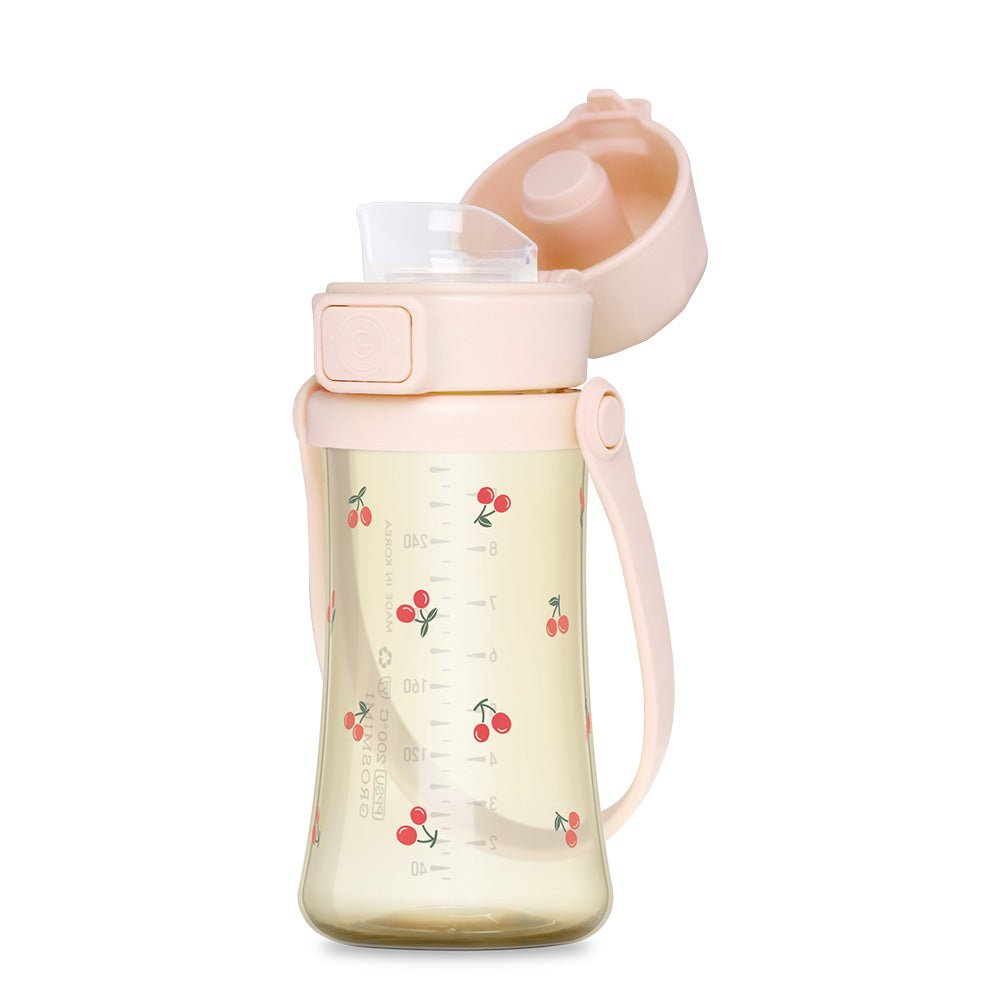
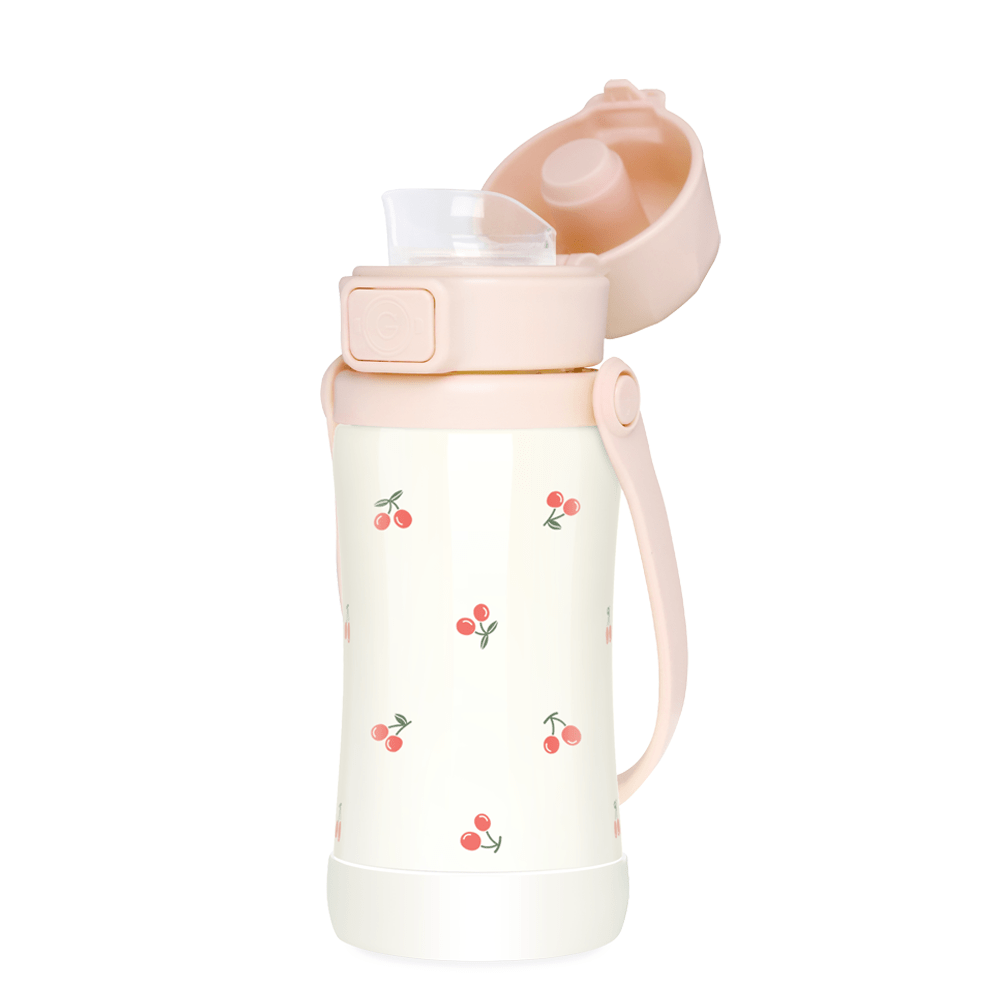
In this Article 3 reasons why babies throw things How to Respond Smart Solution Seeing cups and toys hit the floor dozens of times a day can really test a parent’s patience. You might worry it’s a bad habit, but actually, a baby’s throwing behavior is a completely normal and healthy part of their development. Once you understand what’s behind it, it feels less stressful and more like a sign of growth. 3 Reasons Why Babies Throw Things 1. The First Scientific Experiment in Exploring the World Throwing isn’t just playing for a baby. It's a meaningful learning process. They’re asking themselves, “What happens if I let this go?” or “What sound does it make when it hits the floor?” Through repetition, babies learn the cause-and-effect relationship between their actions and the environment. Even your reaction becomes part of their experiment. 2. Rapid Development of Motor Skills To throw something, a baby needs to coordinate fine motor skills (gripping), gross motor skills (swinging the arm), and focus their gaze on the target all at once. So throwing things repeatedly shows that their body control is developing well. They’re practicing how to use their body perfectly. 3. Active Communication When Words Aren’t Ready Yet Since babies can’t express their feelings with words yet, throwing becomes a powerful way to communicate. It might mean they’re bored, frustrated, or seeking more attention. This isn’t defiance, but a straightforward and active way for them to communicate without words. How to Respond Wisely: Be Firm but Calm If parents overreact, babies may find the response interesting and repeat the behavior. Instead of reacting emotionally, calmly say something like, “We don’t throw this,” in a clear tone. Then remove the object from your baby’s sight for a short moment to signal that the situation is over. Smart Solution: Support Your Baby’s Curiosity with the Right Environment Instead of stopping this healthy behavior, create a safe space where throwing won’t cause harm or stress. For example, during meal times when cup throwing is common, durable products can ease stress for both baby and parents. The Grosmimi PPSU Straw Cup is thoughtfully designed with these developmental stages in mind. Made from durable PPSU material, it’s safe against repeated drops and won’t break easily. Its leak-proof '+'cut design keeps spills at bay even if it hits the floor. It supports your baby’s growth while helping maintain a calm parenting environment. Parenting Starts at Your Baby’s Level Throwing is part of exploration, growth, and communication. Instead of trying to stop it outright, focus on creating a safe space where your baby can freely explore. Your relaxed attitude will be the strongest support for your baby’s healthy development. Key Takeaways Babies throw things to explore cause-and-effect, including the sounds and reactions their actions produce. Repeated throwing reflects rapid growth in coordination, combining grasping, arm movement, and visual focus. Because they cannot yet use words, babies often throw objects to communicate boredom, frustration, or a desire for attention, so adults should respond calmly and set safe boundaries. Related Post: Sources The Bump, "Toddler Throwing Things? Here's How to Deal" Lovery, "Throwing"
Learn more